

Obverse and Reverse: Which Side of a Coin Is the Front?
The obverse and reverse are the two faces of a coin: the obverse is the front, or "heads," and the reverse is the back, or "tails." Simple enough, until you're holding a collectible coin with a dragon on one side and a queen on the other and have to decide which one is the front.
This article shows how to tell the sides apart, why collectible coins confuse even dealers, and what the other parts of a coin are called. More articles like this are in our collector's guide.
TL;DR: key takeaways
- The obverse is the front of a coin ("heads"), the reverse is the back, and the edge is the third side.
- The obverse is the side bearing the issuer's mark: a monarch's portrait, an emblem or the name of the state.
- On collectible coins the reverse usually carries the theme, which is why shops photograph it first.
- No international standard fixes which side is which, so catalogs, mints and dealers sometimes disagree.
- When in doubt, look for the issuer: that side is the obverse.
What Is the Obverse of a Coin?
The obverse is the front side of a coin, the side that tells you who issued it. In numismatics the word comes from the Latin obversus, which means "turned toward." In a coin toss, the obverse side is heads.
For centuries rulers put their own bust on the obverse of the coinage and currency they issued, and the habit stuck. Today the obverse side commonly depicts a prominent person, a coat of arms or an allegory, and what you see depends on the issuer. Three examples:
- Canada, Niue, the Cook Islands and Australia: the monarch's effigy, today King Charles III, on older coins Queen Elizabeth II.
- Republics such as Cameroon or Poland: the national emblem or the name of the state, with the denomination and year.
- The United States: usually a person or allegory with the year, such as Liberty on the American Silver and Gold Eagles. US coins also carry the motto In God We Trust and the name United States of America.
What Is the Reverse of a Coin?
The reverse is the back of a coin, the opposite side to the obverse, and the word comes from the Latin reversus, which means "turned back." On circulation coinage it often shows the denomination or a national symbol.
US coins often show an eagle or a landmark building on the reverse side, and the 50 State Quarters, issued from 1999, gave each state its own reverse.
On collectible coins the back depicts the story: the theme of the series, such as a myth, an animal, a film character, a painting or a map. That's why shops, ours included, show it first, even though formally it's the second side.
Obverse vs Reverse at a Glance
| Obverse | Reverse | |
|---|---|---|
| Also called | Front, heads | Back, tails |
| Typical content | Issuer: portrait, emblem, name of the state | Denomination, national symbol or the coin's theme |
| Often carries | Year, face value, issuer | Theme, series name, metal and weight |
How to Tell Which Side Is the Obverse
No international rule in numismatics decides which side of a coin the word obverse refers to, so collectors use a few conventions.
Look for the issuer. The side that identifies the issuing authority is the obverse: a ruler's portrait, a coat of arms or the issuer's name. This is the rule the Standard Catalog of World Coins follows, as Numismatic News explains.
On US coins, find the year. American collectors usually treat the side bearing the date as the obverse, although some coins put the year on the reverse. Where the year has moved, as on recent quarters, they fall back on the bust.
Don't rely on the mint mark. Its position changes between designs: on the Lincoln cent the mint mark sits on the obverse below the year, while on the Morgan dollar, with Liberty's head on the obverse, it's on the reverse side, below the wreath. Each mint mark is referred to by its letter, such as D for Denver.
Read the coin's specification. A minute of research settles it: mints and catalogs describe each side separately. When the rules clash, follow the catalog listing.
Why Collectible Coins Confuse Obverse and Reverse
Because the back is the more interesting side. A collectible coin is still legal currency of its issuer, but it's designed around its theme, so the reverse image gets the color, the relief and the gemstones, while the obverse side stays modest and plain.
Note that some coin descriptions even call the theme side the obverse and the monarch's side the reverse.
The issuer rule settles it every time. Here are four examples from our shop, each with a different kind of obverse, and an image of both sides in every gallery.
A monarch on the obverse: Niue
Medea's Legacy is a 2 oz coin from Niue by the Lithuanian Mint. The design side shows Medea in high relief with a natural 0.01 ct ruby set in her golden helm. The obverse side shows King Charles III with the legend NIUE and 5 DOLLARS 2026.
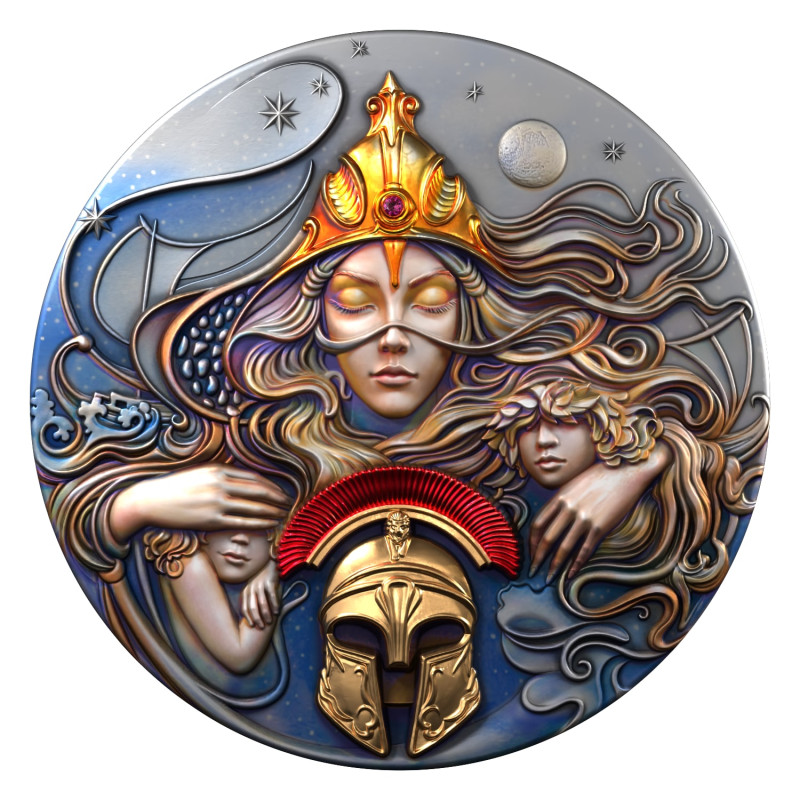
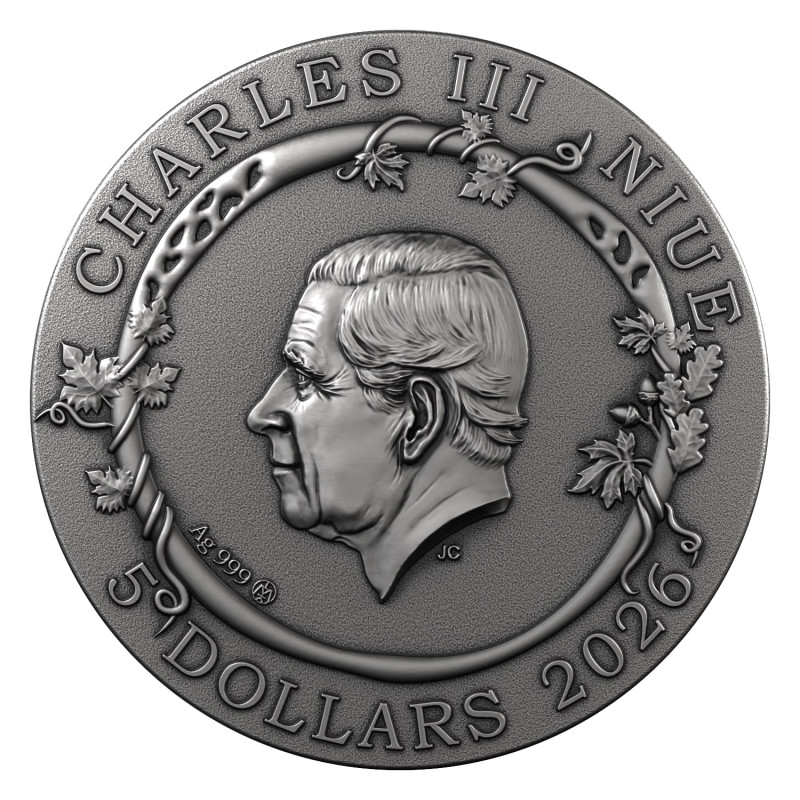
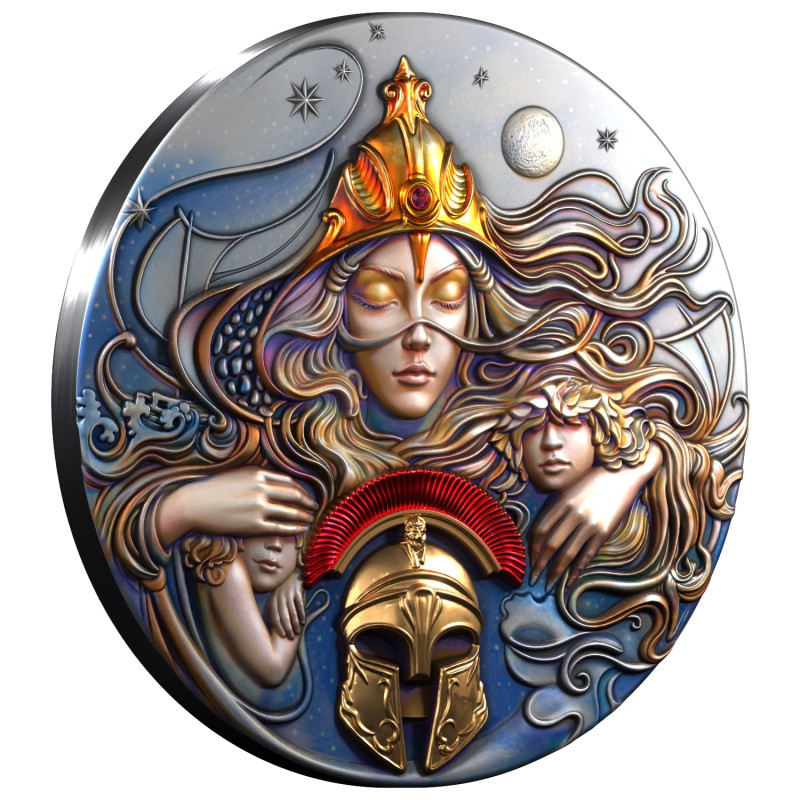
King Charles III on the obverse
Medea’s Legacy
2 oz silver coin · Niue 2026 · Lithuanian Mint
Available for pre-order – allow for the release date.
Pre-order this coin →★ Limited to 500 pieces worldwide
A queen on the obverse: Canada
The Dark Bat is a colored edition of Canada's Maple Leaf bullion coin. The back keeps the maple leaf and adds a sterling bat set with black Swarovski crystals. The obverse shows Queen Elizabeth II, the face value of 5 dollars and the year 2022.
For more than three centuries, since Charles II, each new British monarch has faced the opposite way to the last, so Queen Elizabeth II faces right and King Charles III faces left. Edward VIII's coins were prepared facing left but never issued. The effigy alone tells you which reign a coin belongs to.
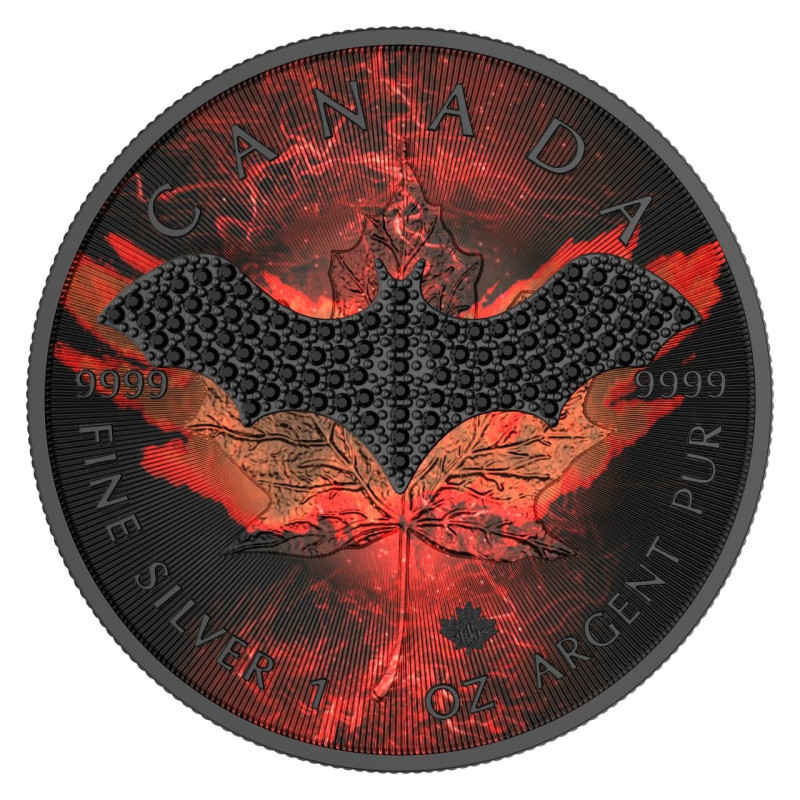
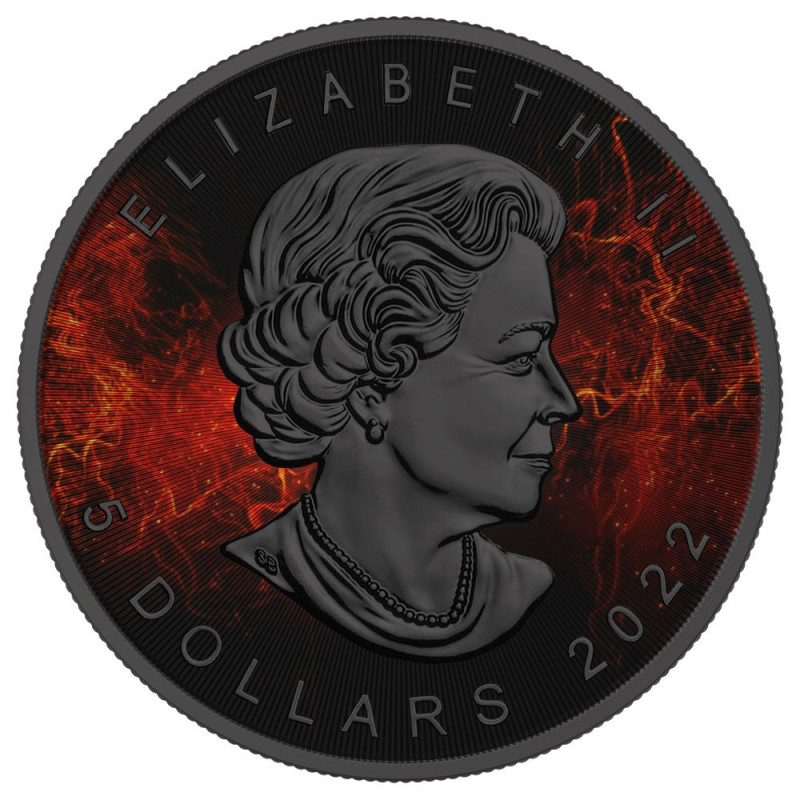
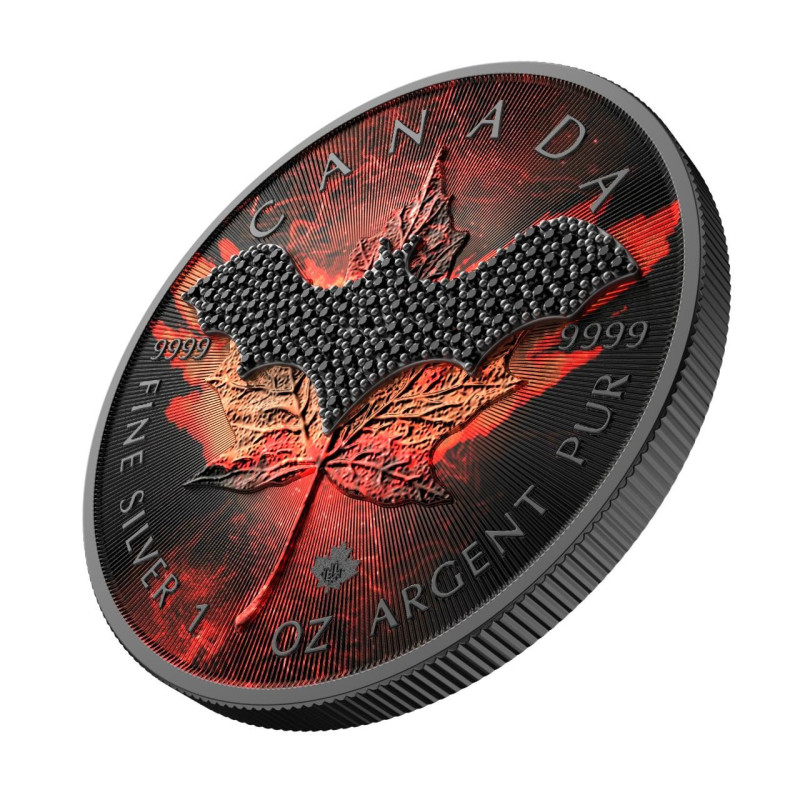
Queen Elizabeth II on the obverse
The Dark Bat – Maple Leaf
1 oz silver coin · Canada 2022
★ Limited to 100 pieces worldwide
A mint's design on the obverse: Cameroon
Monkeys in the Jungle, struck by the Mint of Poland for Cameroon, reproduces Henri Rousseau's painting on its reverse. The obverse doesn't have a person at all: the Mint of Poland logo, the legend REPUBLIQUE DU CAMEROUN, 500 CFA, 2026 and Ag 999. The name of the state is what makes it the obverse.
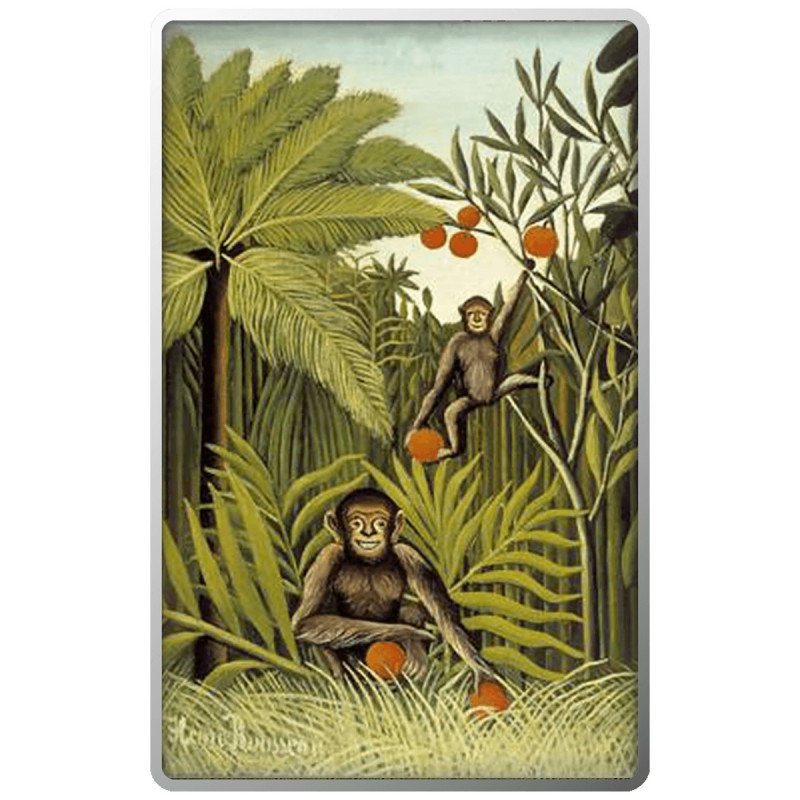
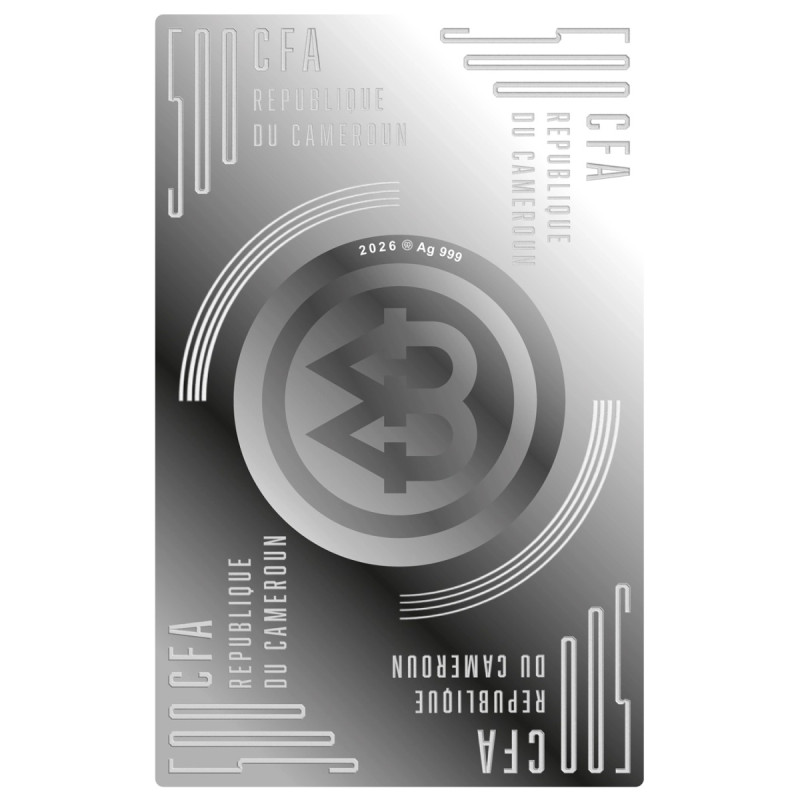
A Mint of Poland design on the obverse
Monkeys in the Jungle – Henri Rousseau
17.5 g silver coin · Cameroon 2026 · Mint of Poland
★ Limited to 500 pieces worldwide
A national seal instead of a portrait: Niue
Not every Niue coin carries the King. Sinbad the Sailor, a 2 oz coin in high relief, has the seal of Niue on a crowned shield on its obverse, with 5 DOLLARS and 2026.
Sinbad himself, in gilded detail with a crystal insert, is on the back. Why a Pacific island issues dollar coins at all is explained in Niue, Tuvalu and Cook Islands coins: are they real money?
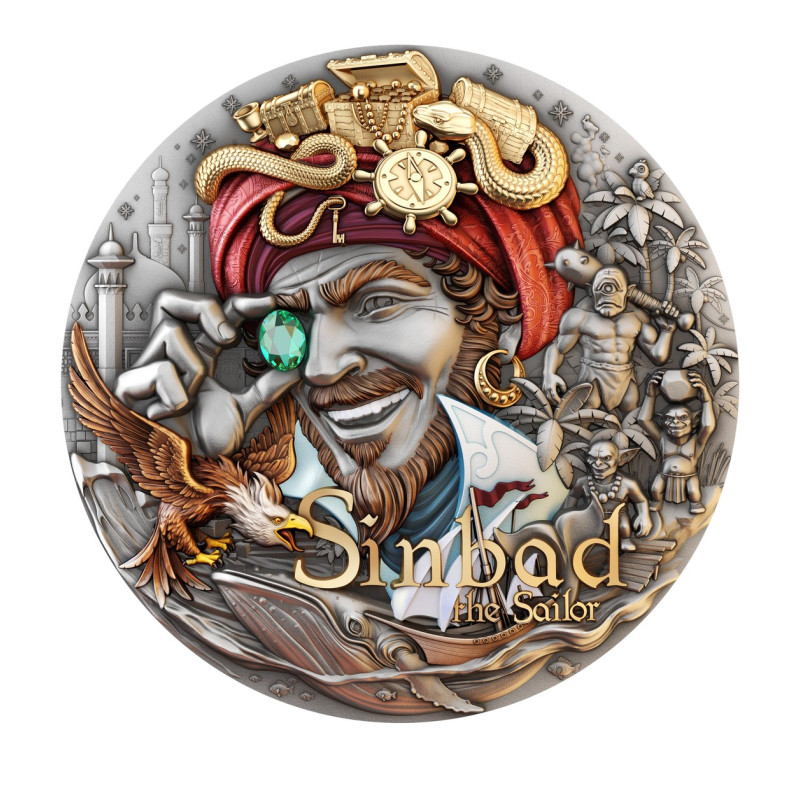
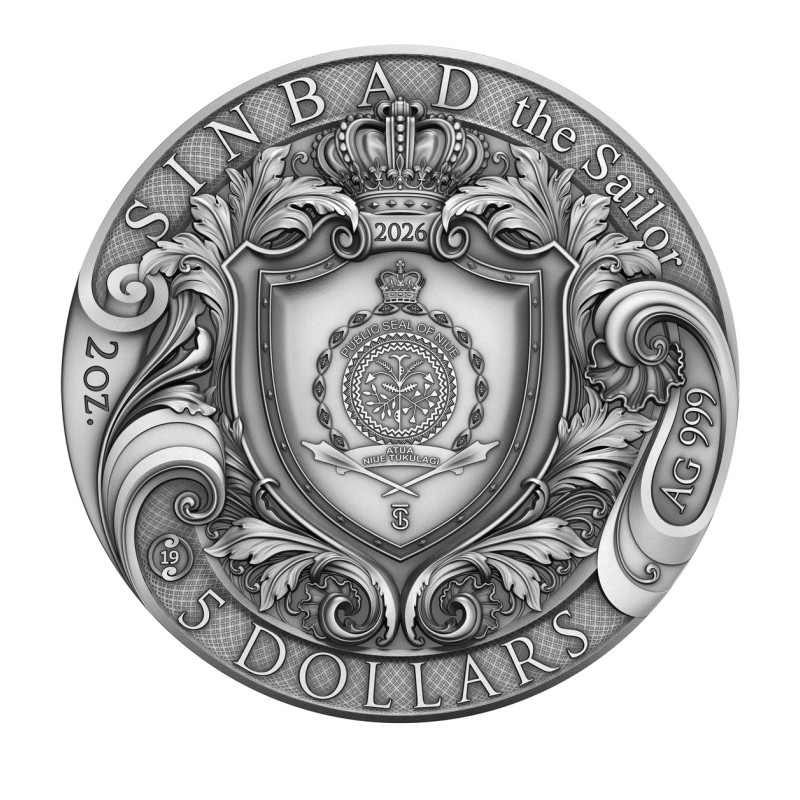
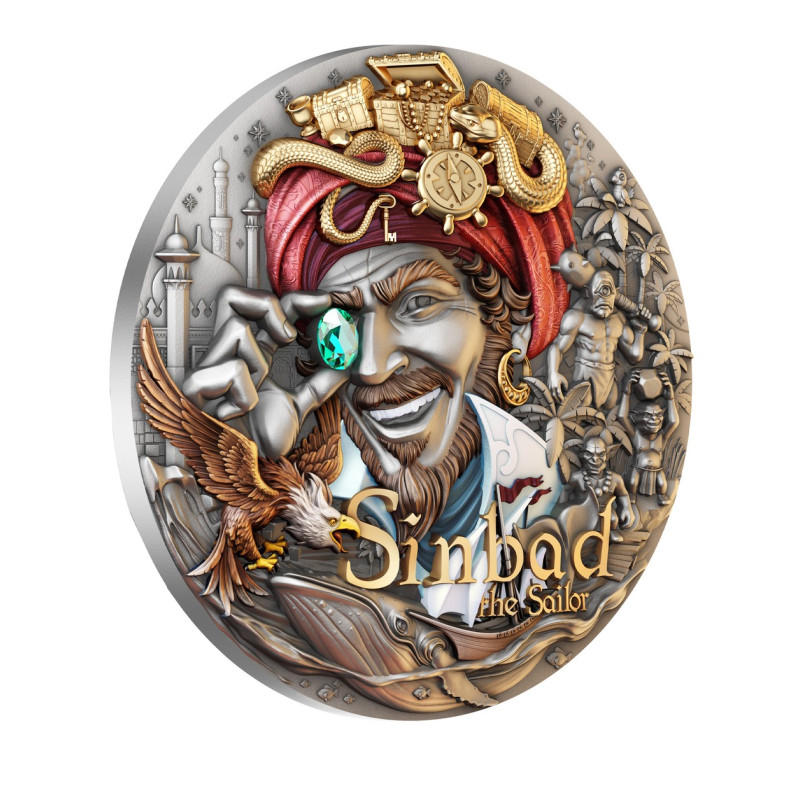
The seal of Niue on the obverse
Sinbad the Sailor – Fabulous Stories
2 oz silver coin · Niue 2026 · T&S Coin
Available for pre-order – allow for the release date.
Pre-order this coin →★ Limited to 500 pieces worldwide
What Are the Other Parts of a Coin?
Coin descriptions use a few more terms; here are the relevant ones with examples. The edge is often called the third side of a coin, and the rim is the raised border around each face.
| Term | Meaning |
|---|---|
| Edge | The outer side of the coin: smooth, reeded or lettered |
| Rim | The raised border around each face that protects the motif from wear |
| Field | The flat surface around the design; mirror-like on proof coins |
| Device | A main design element, such as a portrait, animal or coat of arms |
| Legend | The inscription along the edge of each face, such as the name of the issuer |
| Relief | The depth of the design above the field; high relief is extra deep |
| Incuse | A design pressed into the surface instead of raised above it |
| Diameter | The width of the coin, such as 38 mm for a 1 oz Maple Leaf |
| Face value | The nominal value set by the issuer, such as 5 dollars |
| Mint mark | A small letter or symbol of the mint; on US coins P for Philadelphia, D for Denver, S for San Francisco and W for West Point |
| Fineness | The share of pure metal, such as Ag 999 or Au 999.9 gold |
Each of these has its own guide: what mintage means, gold and silver fineness and proof, BU and antique finish.
Why Both Sides Matter When You Buy a Coin
Collectors buy a coin for its back but judge it by both sides:
- Ask for an image of both sides. A single image hides the year and the issuer.
- Check the obverse details. Compare every detail of the effigy, legend, denomination and year with the specification; it's the quickest identification check.
- Look at both fields and the rim. Hairlines and spots on the surface are most visible on the plainer side, and wear shows first on the high points.
- Check the edge too. A smooth edge where the specification promises reeding or edge lettering is a warning sign.
Rarity, condition and collector demand set a coin's value, on gold coins too, not which side faces up.
Grading services look at both sides too. A grading label carries one grade for the whole coin, and grading teams examine the obverse and the reverse before they decide it. The NGC grading scale runs from 1 to 70. More in our guide to NGC grading, MS70 and PF70.
About Magikos Coins
Magikos Coins is a collector coin shop from Kraków, Poland. Since 2009 we have been selling limited-mintage silver and gold coins from mints around the world, from Niue and Canada to Cameroon. We are an authorized distributor of the Mint of Poland, Germania Mint, Power Coin, MDM, AllCollect and MINT XXI.
- Trusted seller: 100% positive feedback on eBay, Allegro and Catawiki, and an eBay feedback score of over 2,500 since 2009. Read our reviews on Trustpilot.
- Worldwide shipping: we ship to the US and around the world with Global Express and FedEx, and every parcel is carefully packed.
- Easy payment: pay in US dollars with PayPal or a card. See all payment methods.
- Direct contact: questions about a coin go straight to us, by e-mail, WhatsApp, Facebook or Instagram.
Learn more about us.
Just added
New in the Magikos Coins shop


The Futurological Congress Stanisław Lem 200 g 2000 Francs CFA...


Green Table Clock Faberge Art 1 Oz 1 Dollar Silver Coin Niue 2026
FAQ: Obverse and Reverse
Which side of a coin is the front?
The obverse, the front side that identifies the issuer with a portrait, coat of arms or the issuer's name.
Is heads the obverse or the reverse?
Heads is the obverse; tails, the opposite side, is the reverse.
What is on the reverse of a coin?
Usually the denomination or a national symbol on circulation coins, and the main theme on collectible coins.
Is the date on the obverse or the reverse?
It varies by issuer. American collectors usually treat the side with the year as the obverse.
What is the third side of a coin called?
The edge. It can be smooth, reeded or lettered.
Which side matters more on a collectible coin?
Collectors buy for the theme side, but what makes a coin valuable, its condition and grading, depends on both sides.