
What Is Mintage? Meaning, Figures and Why It Matters
Mintage is the number of coins a mint strikes of one design, in one year or one production run. It's the first number collectors look at, because it caps how many of a coin can ever exist.
But a mintage figure tells you less than most people think: some coins struck in the millions are hard to find, and some limited to a few hundred never rise above their issue price.
This guide explains what mintage means, where mintage figures come from, why the number of surviving coins differs, and how mintage works on Morgan and Peace dollars and on modern collector coins like our low mintage silver coins.
TL;DR
- Mintage refers to the number of coins originally struck of a design, date and mint.
- It's not the number that exists today: melting, wear and loss can shrink the supply a lot.
- The Pittman Act of 1918 melted 270,232,722 Morgan dollars, 47% of all struck until then.
- The lowest Peace dollar mintage is the 1928 Philadelphia issue: 360,649 coins.
- Low mintage helps value only when collectors want the coin; condition and demand matter as much.
What Does Mintage Mean?
In coin collecting, mintage refers to the number of coins struck for a specific design, date and mint. A 1928 Peace dollar from Philadelphia has one mintage; the same date from San Francisco has another, because each mint mark is counted separately.
The dictionary gives the word a few more senses. It can mean the act or process of minting, as in "a coin of recent mintage", or coins in general. Collectors only use the first meaning: the count. In other words, mintage numbers are production figures: how many pieces of a coin were produced.
Mintage matters because it's the starting point for rarity, the first thing that separates common coins from rare ones. A coin's mintage sets the maximum supply, and everything that happens later, melting, circulation, hoarding, only reduces it.
Where Mintage Figures Come From
For circulating coins, the issuing mint publishes the figures. The United States Mint reports how many coins of each denomination each of its mints produced every year, and those numbers end up in reference books and in databases like PCGS CoinFacts.
Modern collector coins work the other way round. The mint announces a maximum mintage before the coin is struck, for example 500 pieces, and that number is printed in the description and often on the certificate. The final mintage can be lower if the mint stops early, but it can't be higher.
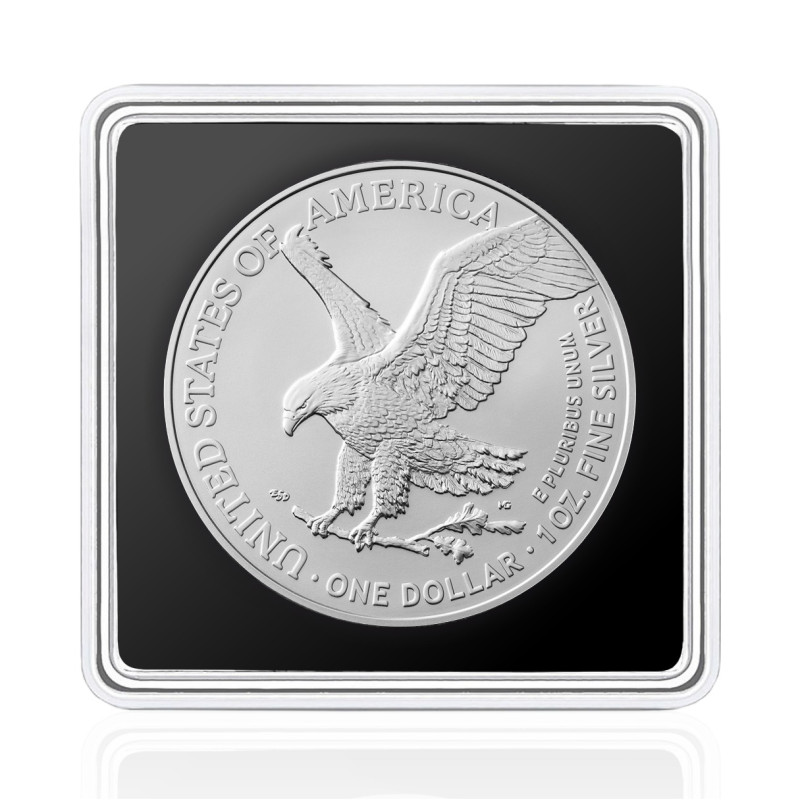
Different versions of one design, such as a proof and a reverse proof, usually get separate mintage figures. Bullion coins like the American Silver Eagle are struck to demand, so their mintage figures are only final once the year is over; numismatic coins have their maximum set in advance.
Other mints publish their numbers too: the Royal Mint for British coins and UK coins struck for collectors, the Singapore Mint for its gold and silver medallions.
A commemorative medallion isn't money, since it has no face value, but silver medallions and gold and silver medallions are counted the same way as coins. Bullion coins in gold and silver, made for their metal, often run into millions; a collectible coin rarely does.
Mintage vs. Surviving Population
Mintage does not equal the number of coins still in existence. Coins get worn out, lost, destroyed or melted, and for silver and gold coins melting is the big one: when bullion values rise, coins are worth more as metal than as money.
The best example is the Morgan dollar. Under the Pittman Act of 1918 the United States melted 270,232,722 silver dollars, 47% of all Morgan dollars struck until then, and sold the silver to Britain. The 1893-S Morgan dollar had a mintage of only 100,000, and tens of thousands of those may have gone into the furnace too.
That's why collectors also look at population reports from grading services like PCGS and NGC. They show how many coins of a date have been graded, in which grades. They don't count every surviving coin, since many are never submitted, but they're the best estimate of the surviving population.
Morgan Dollar and Peace Dollar Mintage Figures
Morgan dollars were struck from 1878 to 1904 and again in 1921, at Philadelphia, New Orleans, San Francisco, Denver and Carson City. Most dates ran into the millions. Mintage numbers for each date are easy to look up, and they're the first clue to rarity.
The examples collectors chase are the exceptions, with low mintage, heavy melting or both, and Carson City coins with the CC mint mark are prized for their historical significance.
Peace dollars were struck to honor the peace after World War I. They were released for the first time in December 1921 and struck until 1928, then again in 1934 and 1935. Most Peace dollars were struck in the millions; only four dates have mintages below 1,000,000: 1927, 1927-S, 1928 and 1934. Those four are the key Peace dollars.
The 1928 Philadelphia Peace dollar is the lowest at 360,649 coins; production stopped when the silver bought under the Pittman Act ran out.
It's a classic case of how a law, not the market, decided a coin's mintage. Two coins of the same date can still differ: the 1928-S was struck in 1,632,000 pieces, more than four times the Philadelphia figure.
Laws shape mintage in other ways too. Legislation can end a series overnight or change its metal, as when the United States took silver out of dimes and quarters in 1965.
Low Mintage and Key Dates
A key date is a coin with the lowest mintage, or the fewest survivors, in its series. What makes a coin rare is the gap between how many people want it and how many exist. Collectors who want a complete set need it, so demand meets a small supply, and that's where low mintage coins command a higher premium.
The same logic applies to modern coins at a smaller scale. Rare by design, a limited coin works the same way. A design limited to 99 pieces can sell out within weeks of release; once it's gone from the mint, the only supply is other collectors.

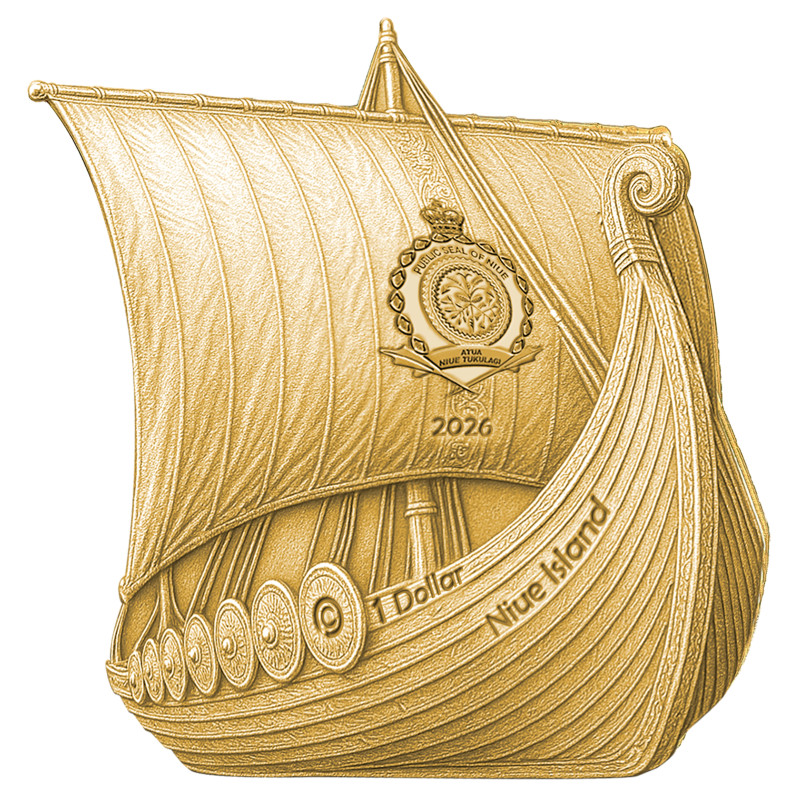
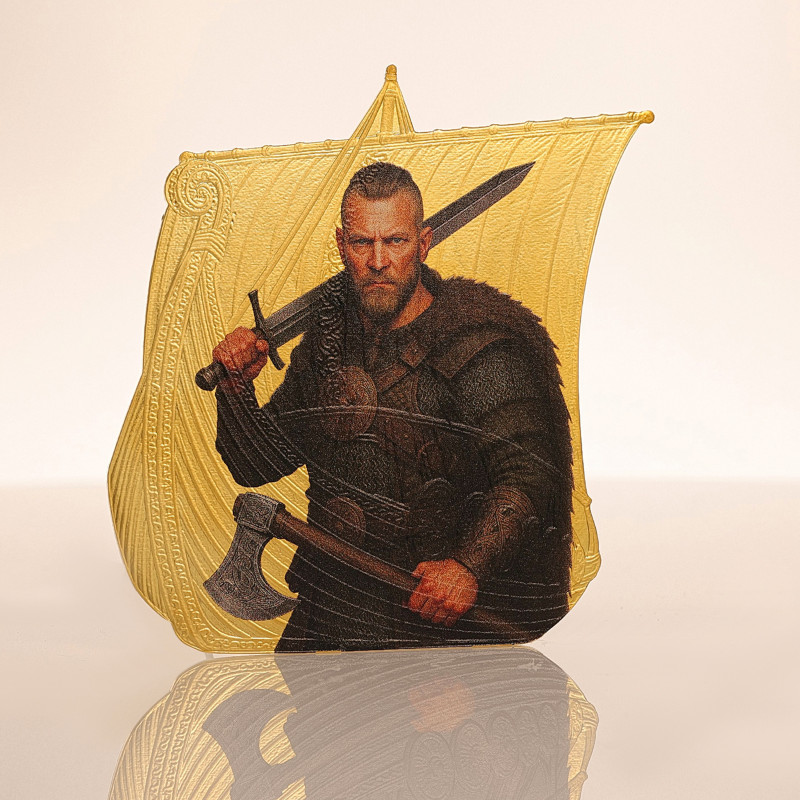
99 pieces per design
Ragnar Lothbrok – Sail with the Vikings
1 oz silver coin · Niue 2026 · Power Coin
★ Limited to 99 pieces worldwide
Mintage of 100 per design is the same idea with color: each of the ten Daughters of Darkness keeps the American Silver Eagle obverse and its own small run.
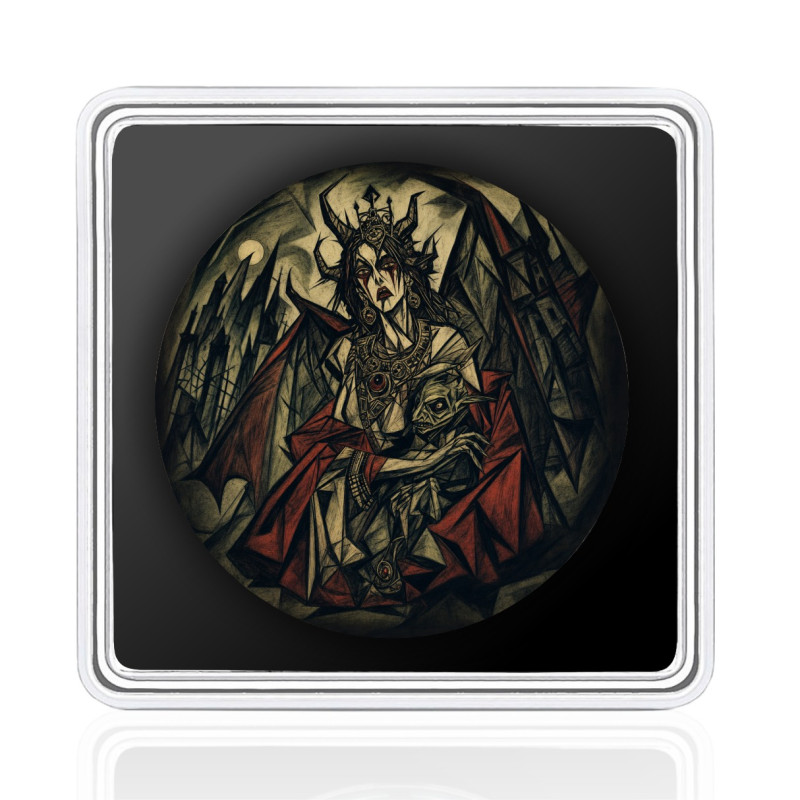
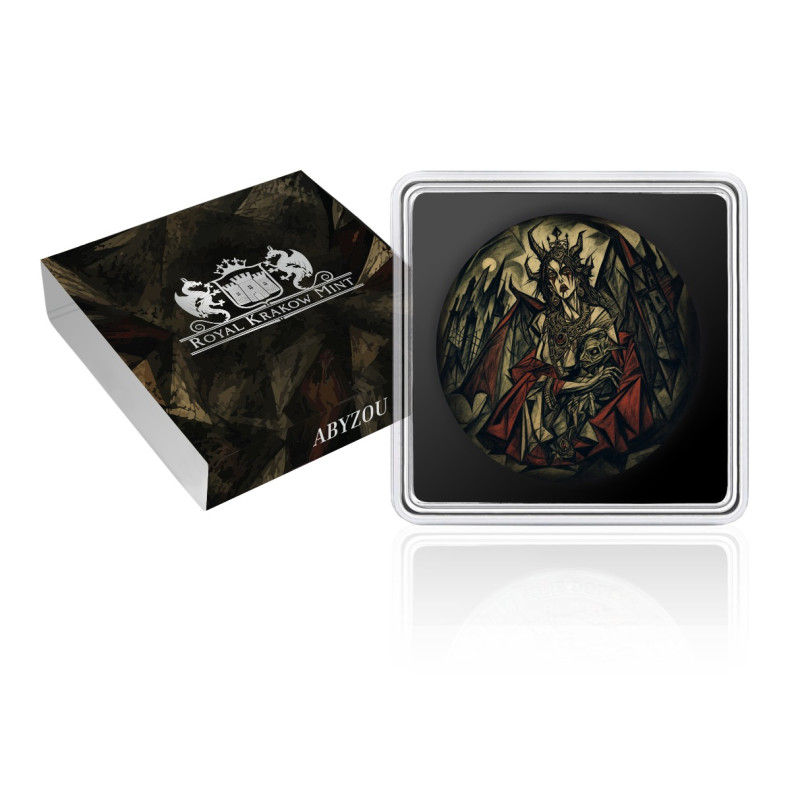
100 pieces per design
Abyzou – Daughters of Darkness
1 oz silver coin · USA 2026 · Royal Krakow Mint
★ Limited to 100 pieces worldwide
Does Low Mintage Mean Higher Value?
Not on its own. Rarity is mintage plus survival plus demand. A coin with low mintage that nobody collects stays cheap, and a high-mintage coin can be hard to find if most were melted or if demand is strong. Condition counts as much: a common date in top grade can sell for more than a key date in poor condition.
At the top grade levels, NGC and PCGS populations thin out fast, so even a high-mintage silver coin can carry a big premium in perfect condition. Age alone doesn't help either: many 100-year-old silver dollars cost little more than their silver.
Survivorship is the other half. A coin struck in millions but mostly melted can be rarer today than one struck in thousands and carefully kept. Market availability matters too: if a few collectors hold most of the known coins, few ever come up for sale.
In numismatics, mintage figures represent supply and nothing more. Two examples show it: a common Morgan dollar date struck in millions is easy to buy, while a low-mintage date is a collectible worth many times its metal. Our list of coins wanted by collectors shows 20 cases where low supply met real demand.
For modern collector coins, the mintage tells you the supply, not the future price. We don't predict prices. Our advice is to treat a low mintage as one reason to buy a coin you already like, not as the only one.

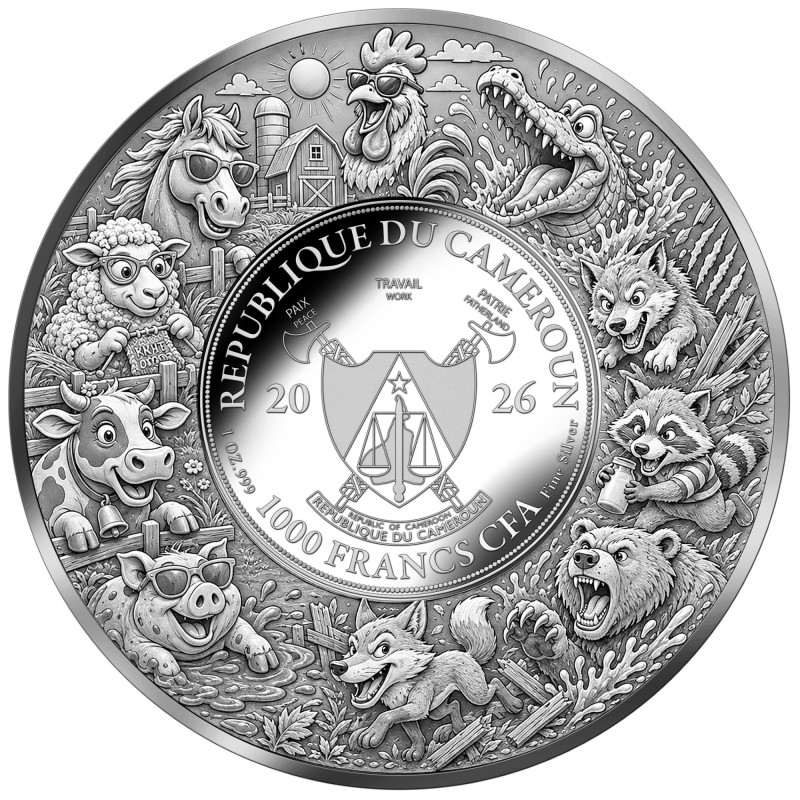

199 pieces per design
The Great Egg Chase – AI-Nimals
1 oz silver coin · Cameroon 2026
★ Limited to 199 pieces worldwide
How to Find a Coin's Mintage
For US coins, the Red Book (A Guide Book of United States Coins) lists mintage figures for every date and mint mark, and PCGS CoinFacts and NGC publish them online.
For world and modern collector coins, check the mint's website or the coin's certificate. On our shop, every coin's mintage is in its description, and the number on the certificate shows where your coin falls in the run when it's numbered.
If you're new to the hobby, our guide to starting a coin collection explains the other numbers to watch, and what is a proof coin covers the finish that most limited mintages come in. What is a numismatist explains what the people who study coins look at first.
About Magikos Coins
Magikos Coins is a collector coin shop from Kraków, Poland, selling limited-mintage silver and gold coins since 2009. Our lowest mintages are 99 pieces per design, and every coin's mintage is printed in its description.
We buy straight from the mints and are an authorized distributor of the Mint of Poland, Germania Mint, Power Coin, MDM, AllCollect and MINT XXI.
Parcels go tracked worldwide, including to the US, with Global Express or FedEx, and in-stock coins are dispatched within 3 business days. You can pay in US dollars or euros with PayPal or a card. Our feedback is 100% positive on eBay, Allegro and Catawiki, with an eBay score of 2,505 since 2009. Learn more about us.
FAQ: Mintage
What does mintage mean?
Mintage is the number of coins struck of a specific design, date and mint. It sets the maximum supply; the number that survives today is usually lower.
What is a low mintage for a coin?
It depends on the series. For US circulating coins, anything under a million is low; only four Peace dollar dates fall below that. For modern collector coins, a few hundred pieces is low, and ours start at 99.
What is the Morgan dollar mintage?
It varies by date and mint, from about 100,000 to tens of millions. The 1893-S had 100,000. Mintage figures for Morgan dollars are misleading on their own, because the Pittman Act of 1918 melted 270,232,722 of them.
Which Peace dollar has the lowest mintage?
The 1928 from Philadelphia, with 360,649 coins. The 1927, 1927-S and 1934 are the only other dates under one million.
Does low mintage always mean a coin is valuable?
No. Value needs demand as well as scarcity, and condition matters. A low-mintage coin nobody collects stays cheap.
Are proof and reverse proof versions counted separately?
Usually, yes. Mints publish separate mintage figures for each version of a design, so a proof and a reverse proof of the same coin each have their own number.