
Coins Wanted by Collectors: 20 Most Sought-After Coins
The coins wanted by collectors are usually the ones that almost nobody can get: a 1794 silver dollar with 1,758 struck, a 1913 nickel with five known, a 1933 gold coin that sold for $18,872,250. Most of them are American, and a few could still turn up in an old jar, like the 1955 doubled die cent.
This list covers the 20 most sought-after coins, why collectors want each one and what sets their price. We don't sell these classic rarities; our shop carries modern low mintage silver coins, and at the end we show how the same logic works for coins you can still buy.
TL;DR
- Collectors want coins that combine low supply, good condition and a story: key dates, errors and first issues.
- The most expensive coin ever sold at auction is the 1933 Double Eagle: $18,872,250 at Sotheby's in 2021.
- Coins you could still find in change or old collections include the 2004-D extra leaf quarter and silver coins dated before 1965.
- Fakes of famous rarities are common, so have a valuable coin checked by PCGS or NGC before you sell or buy.
- Modern collector coins follow the same logic at a smaller scale: a design limited to 99 pieces can sell out within weeks.
Top 20 Most Wanted Coins by Collectors
The list runs in date order, because no two dealers agree on a ranking. Figures are the commonly published mintages or known survivors; check PCGS or NGC for a specific date.
| Coin | Why collectors want it | Struck or known |
|---|---|---|
| 1652 New England shilling | Among the first coins struck in the English colonies, in Boston | Very few survive |
| 1792 half disme | First coin struck under the US Mint Act | About 1,500 struck |
| 1794 Flowing Hair dollar | First US silver dollar, delivered in October 1794; $10,016,875 in 2013 | 1,758 struck |
| 1804 silver dollar | The "King of American Coins", actually struck decades after its date | 15 known |
| 1848 CAL quarter eagle | Made from California Gold Rush gold | About 1,389 struck |
| 1856 Flying Eagle cent | Pattern coin that opened the small cent | About 2,000 struck |
| 1877 Indian Head cent | Key date of a long, popular series | 852,500 struck |
| 1893-S Morgan dollar | Key date of the Morgan series | 100,000 struck |
| 1895 Morgan dollar | The "King of the Morgans", proof only for collectors | 880 proofs |
| 1901-S Barber quarter | Hardest date of the Barber quarters to find | 72,664 struck |
| 1907 High Relief double eagle | Saint-Gaudens design, often called the most beautiful US coin | About 12,000 struck |
| 1909-S VDB Lincoln cent | First year of the Lincoln cent, with the designer's initials | 484,000 struck |
| 1913 Liberty Head nickel | Struck without authorization | 5 known |
| 1916-D Mercury dime | Key date of a favorite series | 264,000 struck |
| 1916 Standing Liberty quarter | First year of the design, struck late in 1916 | 52,000 struck |
| 1921 High Relief Peace dollar | First year of the Peace dollar | About 1 million struck |
| 1933 Saint-Gaudens double eagle | Almost all melted; $18,872,250 in 2021 | 445,500 struck, one legal to own privately |
| 1937-D three-legged Buffalo nickel | Error: an over-polished die removed a leg | Thousands known |
| 1943 bronze Lincoln cent | Error: struck on leftover bronze in a steel-cent year | A few dozen at most |
| 1955 doubled die Lincoln cent | The best-known visible error on a US coin | About 20,000 to 24,000 |
Most Wanted Rare Old Coins: From the New England Shilling to the Flowing Hair Silver Dollar
Firsts have a pull of their own. The 1652 New England shilling comes from a Boston mint that ran without any royal permission, and the 1792 half disme was struck in the year Congress created the US Mint.
The 1794 Flowing Hair silver dollar was the first ever silver dollar of the United States Mint, delivered on October 15, 1794, and in 2013 one became the first coin to sell for over $10 million. That historic significance is what collectors pay for.
Its standard came from an older coin: the Coinage Act of 1792 gave the US dollar the value of a Spanish milled dollar, the piece of eight that colonists had used for a century.
The same applies to first years of a design. The 1916 Standing Liberty quarter had only 52,000 coins, and the 1921 Peace dollar came in a high relief that the mint gave up the following year.
Other firsts draw collectors too: the 1796 Draped Bust quarter was the first US quarter, the 1864 two-cent piece was the first coin with IN GOD WE TRUST, and the 1986 American Silver Eagle brought back the Walking Liberty design.
Key Dates: Why One Lincoln Cent Costs More Than the Next
A key date is the hardest year of a series, and everyone building a complete collection needs it. Mint mark matters as much as the year, because each mint is counted separately.
That's what drives the 1909-S VDB cent, the highly coveted 1916-D Mercury dime and the 1893-S Morgan dollar, the key date of what may be the most popular coin among US collectors: common designs with one scarce date.
Mintage is the first clue, and our guide to what mintage means explains why it isn't the whole story, since melting and loss can shrink a supply long after striking.
Lincoln pennies are where most people start, because pennies are cheap and stayed in circulation for decades.
Besides the 1909-S VDB, collectors look for the 1914-D and the 1931-S, and a worn example of a key date often sells for more than a top-grade common date. That's why the same design can be worth a few cents or a few thousand dollars.
Error Coins: Doubled Die Obverse, Extra Leaf and Missing Edge Lettering
Error coins are the valuable coins ordinary people can still find. In 1943 the mint switched cents to steel to save copper for the war, and a few bronze blanks left in the presses became some of the most wanted coins in America.
The 1955 doubled die shows doubled lettering you can see without a loupe, and the 1937-D Buffalo nickel lost a leg to an over-polished die.
More recent errors are also on collectors' lists. Some 2004-D Wisconsin quarters show an extra leaf on the corn stalk, and they turn up in change. In 2007 some Presidential dollars left the mint with no edge lettering at all, which removed the date and IN GOD WE TRUST, and collectors soon called them Godless dollars.
Minting mistakes such as doubled dies and off-center strikes are prized because few leave the mint. A doubled die obverse happens when the die itself carries a doubled image, so every coin struck from it shows clear doubling on the date and lettering.
The 1955 leads the list, and the 1972 and 1995 doubled die obverse cents are popular too. Apparent doubling from a worn die or a loose strike is common and adds little, so look for a clean split in the letters, and remember that fakes of the 1972 exist.
Most Wanted Expensive Coins: The Million-Dollar Club
At the top sits the 1933 double eagle. The mint struck 445,500 of them, then gold ownership was restricted and nearly all were melted. The US government still claims the few that got out, and it has seized others.
One is legal to own privately, and it brought $18,872,250 at Sotheby's in June 2021, the record for any coin at auction.
The 1804 dollar and the 1913 Liberty Head nickel have also passed the million-dollar mark many times. Neither was a normal issue: the 1804 dollars were struck decades later for diplomatic gifts, and the five 1913 nickels were made without authorization.
Nobody knew of their existence until 1920, when former mint clerk Samuel Brown showed them; his 1919 advertisement offering to buy such coins looks like a cover story. The United States Mint has no record of striking them.
Most Valuable Coins: Top Auction Sales
The most expensive coins change hands rarely, so each sale at auction sets the price for years. Three results show the scale of the most valuable coins in the world: the 1933 double eagle at $18,872,250 in 2021, the 1794 Flowing Hair silver dollar at $10,016,875 in 2013 and a 1913 Liberty Head nickel at $4.56 million in 2018.
Those are records, not everyday values. Most rare coin sales happen at a far lower price, from a few hundred to a few thousand dollars, and the auction record for a date is usually set by its finest known example. Before you judge the value of your own coin, compare it with recent auction sale results in the same grade.
Valuable doesn't have to mean a million dollars. Many valuable coins in a family collection are worth more for their silver or gold than for their date, and a valuable penny may fetch a modest price that still beats its face value many times over.
How Government Decisions Made Rare Coins
The history of US coinage shows that government decisions created more rarities than any mint.
The Pittman Act of 1918 melted 270,232,722 silver dollars, the gold recall of 1933 emptied the country of gold coins, and the switch away from silver in 1965 sent older coins out of circulation and into melting pots. Far fewer coins remain in existence than the original figures suggest.
That history explains the price of many collectible coins today. A date that looks common on paper can be scarce in uncirculated grades, because the coins that survived were the ones people kept in a pocket, a drawer or a bank roll.
Rare Gold Coins Collectors Chase
Gold coins fill the top of every list of the most valuable coins. The 1849 double eagle is a unique pattern kept in the Smithsonian's National Numismatic Collection, so no collector will ever own it. Only three 1822 half eagles are known.
The 1907 High Relief double eagle is the one collectors can realistically dream of, with about 12,000 struck. The $10 gold eagle has its own rarity in the 1933 Indian Head, and the American Gold Eagle, struck since 1986, is the modern bullion coin most buyers start with.
Precious metals give these coins a floor: the gold is worth something whatever happens to collector demand, and a common double eagle already sells far above its $20 face value. Rare dates add a premium on top, and condition decides how big it is.
Silver Coins and the Half Dollar: What to Keep
US dimes, quarters and half dollars dated before 1965 are 90% silver, so each one is worth more than its face value. The first Kennedy half dollar, from 1964, is 90% silver; those from 1965 to 1970 are 40%.
The 1970-D Kennedy half dollar, 2,150,000 struck, was sold only in mint sets and never reached circulation. Wartime nickels from 1942 to 1945 contain 35% silver as well. A quick check is the edge: silver coins show no copper stripe.
Building a Coin Collection from Pocket Change
You can start a coin collection for face value. Many collectors buy a roll of coins from the bank, look through it and return what they don't want. A roll of half dollars is the most likely to hold silver, a roll of nickels can hide a wartime coin, and a roll of cents can hide a wheat penny.
State quarters are a popular first set, with 50 designs struck from 1999 to 2008, and state quarters are still in your pocket. Collectible coins don't have to start expensive: a roll of state quarters costs its face value.
Coin shows let you compare circulated and uncirculated examples in person, which teaches grading faster than any photo. A shiny coin isn't always the better one, since cleaning leaves a shine that collectors avoid.
Beyond America: Edward III's Double Leopard
Collectors around the world have their own grails. The double leopard of Edward III, a gold coin from 1344, was withdrawn within months, and only three are known today.
One sold for £460,000 in 2006, a British record at the time. Rare world coins also reach the million-dollar club, though most lists of coins wanted by collectors remain American because the US market is so large.
What Makes a Coin Worth Money to Collectors
Four things decide the price: supply, condition, demand and proof that it's genuine. A coin can be rare and still cheap if nobody collects the series.
High-grade coins command a large premium over heavily worn ones, which is why collectors look at grades from PCGS and NGC, given on the Sheldon scale from 1 to 70; our NGC grading guide explains them. A coin in uncirculated condition shows no wear at all, while one in circulated condition can lose most of its value next to it.
Historical significance adds a premium that no mintage figure explains, which is why the history of a coin belongs in its value. Never clean an old coin to improve it. Cleaning silver coins can destroy much of their value.
How to Read a Coin: Obverse, Reverse and Mint Mark
The obverse is the front of a coin, usually with the portrait, and the reverse is the back, usually with the denomination. The edge is the third side, and it can be plain, reeded or lettered.
The mint mark tells you where a coin was struck, and it moves from series to series: on the obverse under the date on a Lincoln cent, on the reverse below the wreath on a Morgan dollar, and on the reverse under FIVE CENTS on a Buffalo nickel.
A rare coin often differs from a common one by a single letter, so learn where to look before you buy. A magnifier and a good light are enough to read the date, mint mark and any doubling.
How to Check a Coin You Think Is Rare
Start with the date and mint mark, then compare weight and details with a reference such as PCGS CoinFacts. A quick test helps with the 1943 cent: a steel cent sticks to a magnet and a bronze one doesn't. Most 1943 "copper" cents turn out to be plated steel.
Fakes of the top dates are common, including altered 1909-S VDB cents and copper-plated 1943 cents. If a coin looks right, send it to PCGS or NGC before you sell it, and buy expensive coins only with their certification.
If you decide to sell, auction houses and online marketplaces reach buyers around the world, and a rare certified coin can sell for thousands of dollars.
Modern Coins Collectors Want Today
You don't need a seven-figure budget for a coin with a small supply. Modern collector coins state their mintage up front, so you know how small the supply is before you buy. If you're new to this, read how to start a coin collection and what a numismatist looks at first.
These are the coins in our shop that share something with the list above. Power Coin's Sail with the Vikings has a mintage of 99 per design, cut in the shape of a longship.

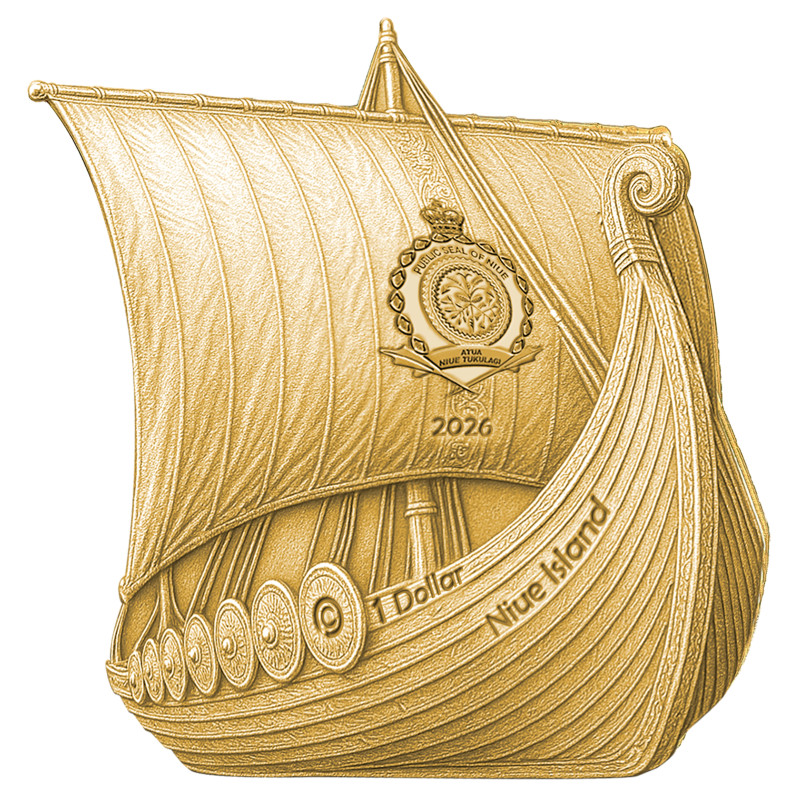
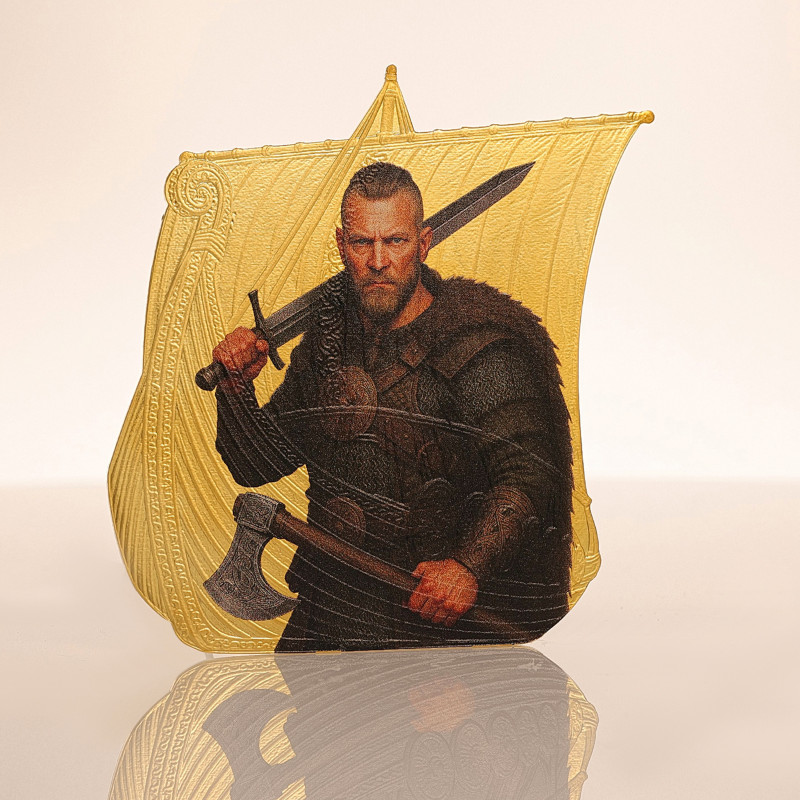
99 pieces per design
Ragnar Lothbrok – Sail with the Vikings
1 oz silver coin · Niue 2026 · Power Coin
★ Limited to 99 pieces worldwide
Abyzou from the Daughters of Darkness series has a mintage of 100.
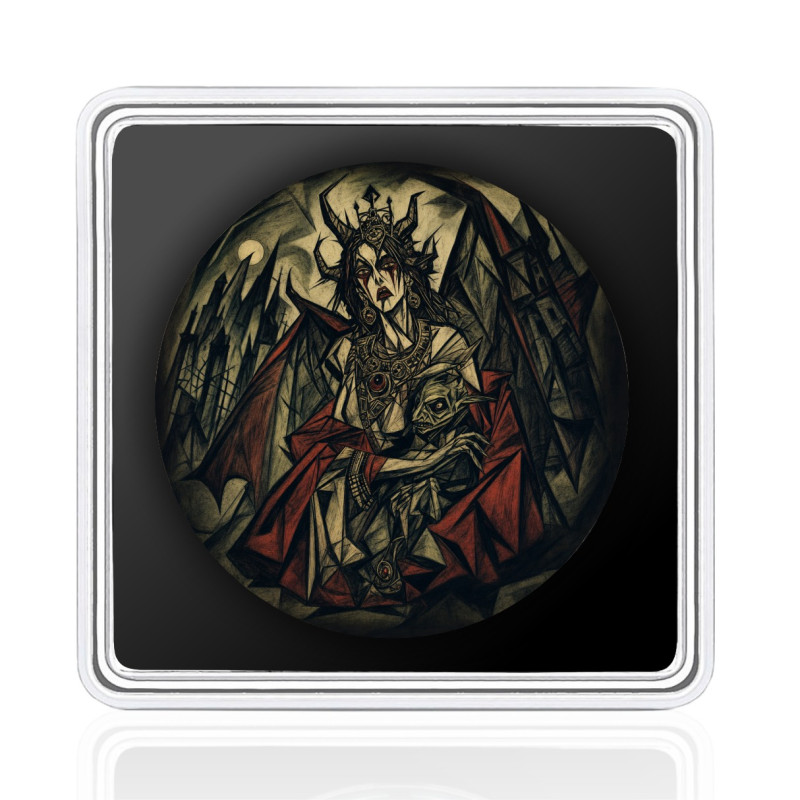
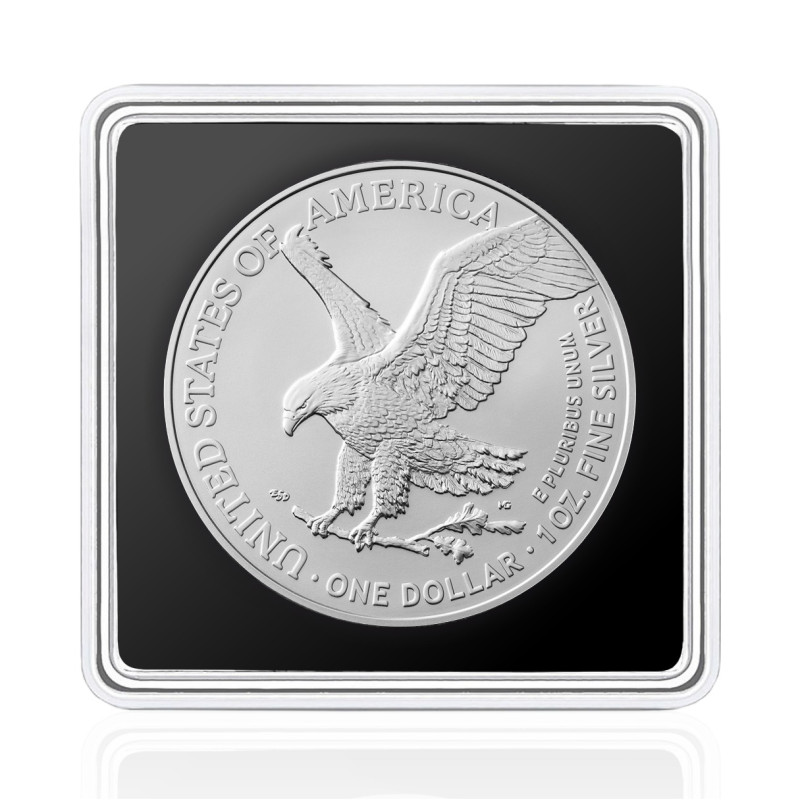
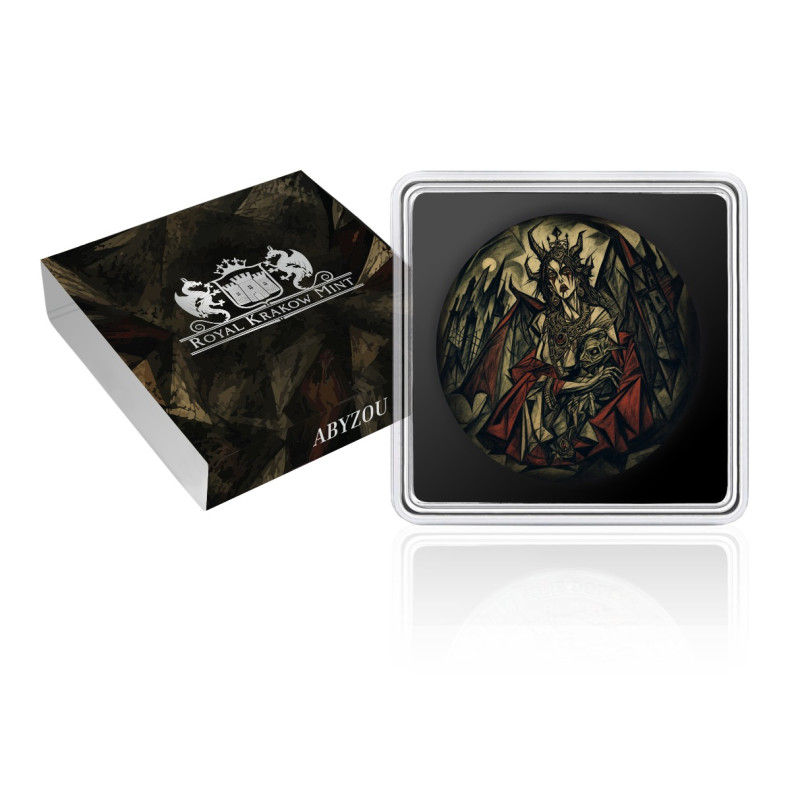
100 pieces per design
Abyzou – Daughters of Darkness
1 oz silver coin · USA 2026 · Royal Krakow Mint
★ Limited to 100 pieces worldwide
History drives modern coins too: Richard the Lionheart comes in 2 oz of silver with an antique finish, 500 pieces.

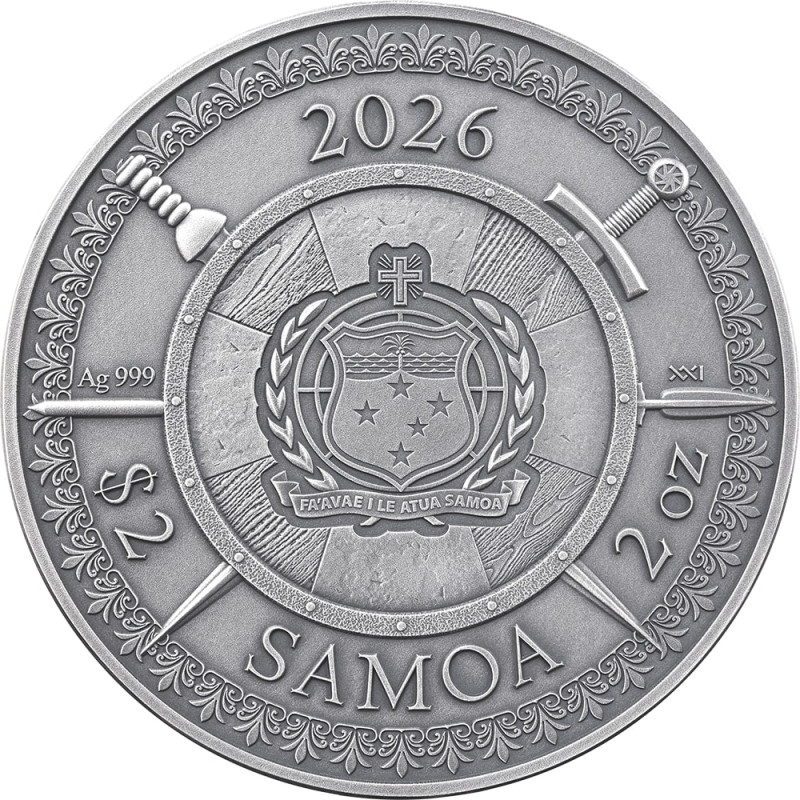
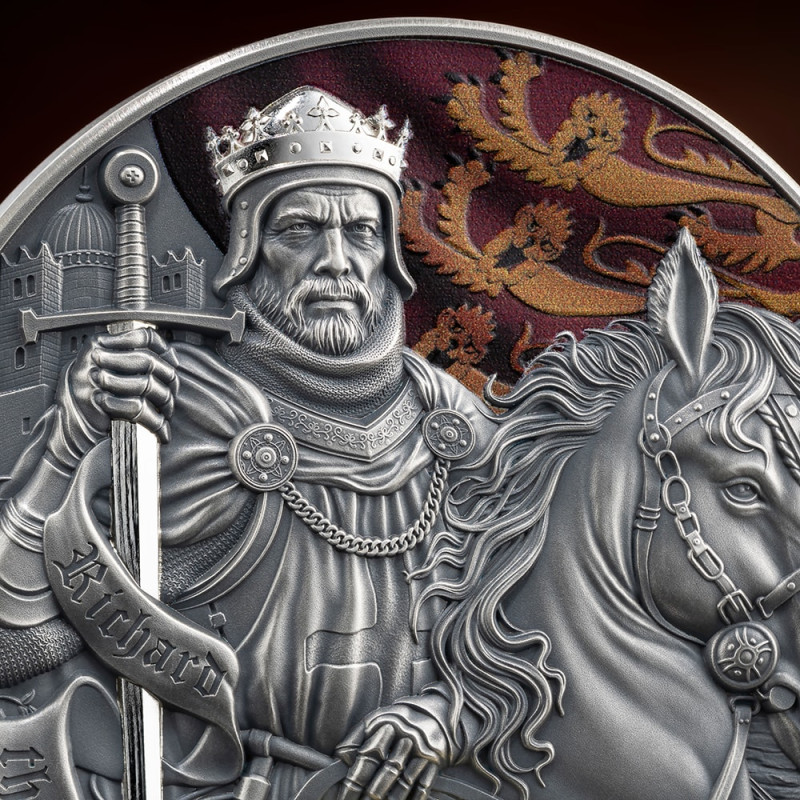
History in 2 oz of silver
Richard the Lionheart
2 oz silver coin · Samoa 2026 · MINT XXI
★ Limited to 500 pieces worldwide
The Hidden Ace is another 99-piece coin, gilded and available for pre-order.
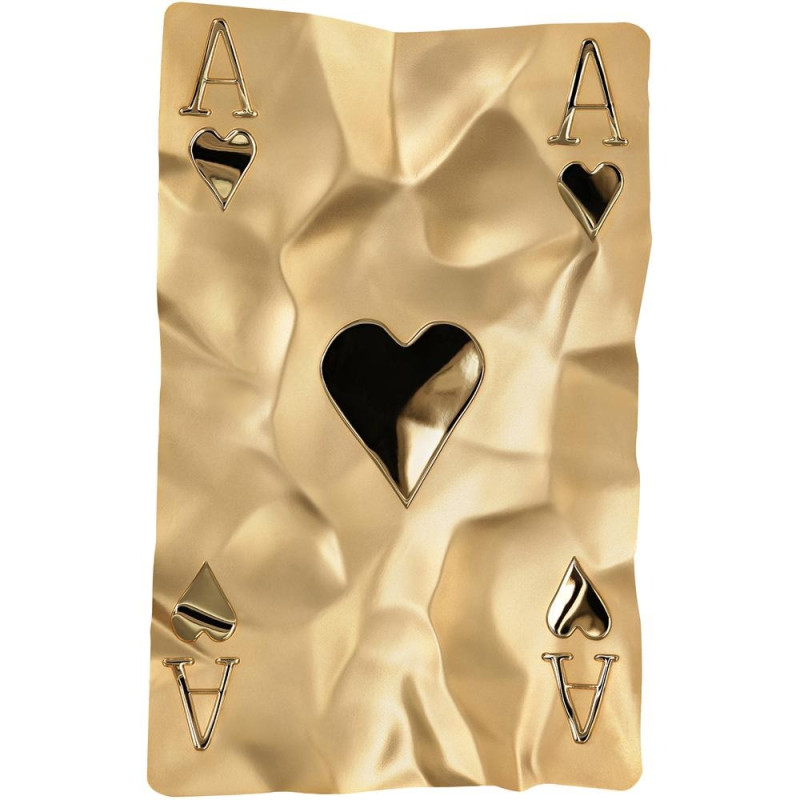
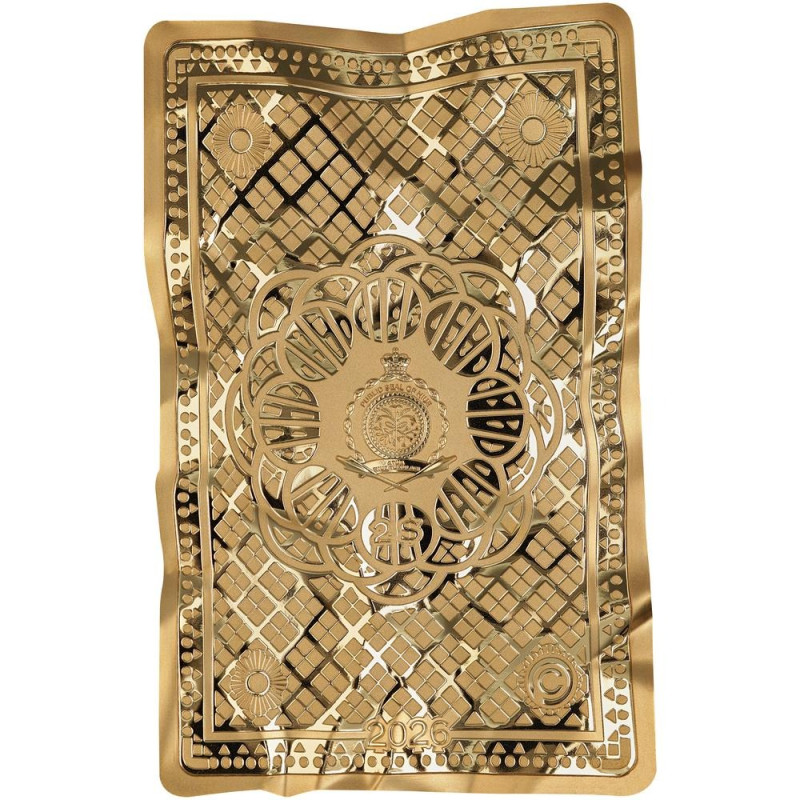
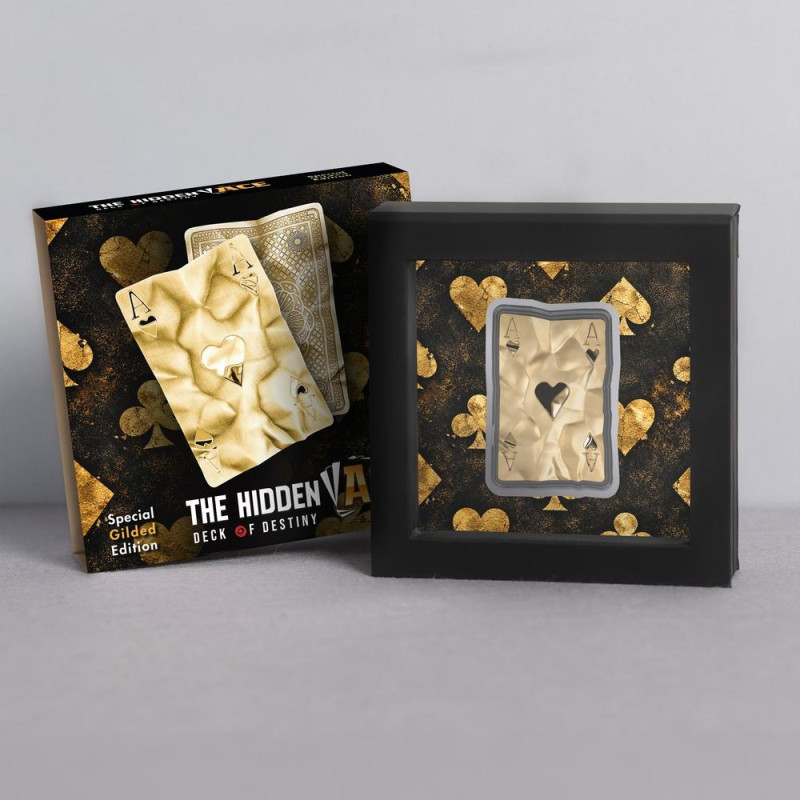
99 pieces, pre-order
The Hidden Ace Gilded – Deck of Destiny
1 oz silver coin · Niue 2026 · Power Coin
Available for pre-order – allow for the release date.
Pre-order this coin →★ Limited to 99 pieces worldwide
About Magikos Coins
Magikos Coins is a collector coin shop from Kraków, Poland, selling limited-mintage silver and gold coins since 2009. We don't deal in the classic US rarities on this list; we sell modern coins, each with its mintage, metal and weight in the description.
We buy straight from the mints and are an authorized distributor of the Mint of Poland, Germania Mint, Power Coin, MDM, AllCollect and MINT XXI.
We ship worldwide, including the US, tracked with Global Express or FedEx, and in-stock coins are dispatched within 3 business days. You can pay in US dollars or euros with PayPal or a card. Our feedback is 100% positive on eBay, Allegro and Catawiki, with an eBay score of 2,505 since 2009. Learn more about us.
FAQ: Coins Wanted by Collectors
What coins are collectors looking for?
Key dates, first issues and errors in good condition. In the US that means coins like the 1909-S VDB cent, the 1916-D Mercury dime and the 1955 doubled die cent.
What is the most sought-after coin?
The 1933 Saint-Gaudens double eagle is the most famous, and it holds the auction record at $18,872,250, one of the most valuable coins in history. The 1794 Flowing Hair dollar and the 1913 Liberty Head nickel are close behind.
Which rare coins could I still find in change?
Your best chances are errors on recent coins, such as the 2004-D Wisconsin extra leaf quarter, and wheat cents in old jars. Real rarities like the 1943 bronze cent are very unlikely but not impossible.
How do I know if my coin is worth money?
Check the date, mint mark and condition against PCGS CoinFacts. If it looks valuable, don't clean it, and send it to PCGS or NGC for grading.
Do you sell the coins on this list?
No. We sell modern limited-mintage coins with a stated mintage and a certificate. For classic US rarities, look for a dealer who sells PCGS or NGC certified coins.