
What Is a Numismatist? Numismatic Definition and Meaning
A numismatist is a person who studies coins, banknotes, tokens and medals, and usually collects them too.
The word looks harder than the job: a numismatist is someone who wants to know who struck a coin, when, from what metal, how many were made and why one example is worth ten times another. Some do it for a living as graders, dealers and museum curators; most do it for the love of it.
This guide gives the numismatic definition, explains how a numismatist differs from a coin collector, what numismatists actually do and how to become one. Along the way we show four coins from our low mintage silver coins that show what a numismatist looks at.
TL;DR
- A numismatist studies or collects currency: coins, banknotes, tokens and medals.
- "Numismatic" means relating to coins and money; a coin's numismatic value is what collectors pay above its metal value.
- Every numismatist collects, but not every collector is a numismatist: the difference is study.
- Numismatists grade on the 70-point Sheldon scale, authenticate coins and research their history.
- You don't need a degree: the American Numismatic Association, founded in 1891, runs courses for beginners.
What Is a Numismatist?
A numismatist is a specialist in numismatics, the study of currency. Most dictionaries describe two senses: a person who studies coins and money, and a person who collects them. In practice the two overlap, and the numismatist definition most collectors use is the first one: someone who knows the coins as well as owning them.
In the broader study of history, numismatists are scholars too. They work in museums and universities, publish articles and join societies such as the Royal Numismatic Society in the UK, founded in 1836.
Their method is object-based research: each coin is a piece of evidence, the way a pot is for an archaeologist, and archaeologists consult them to date sites and hoards. In the UK, the British Numismatic Society, founded in 1903, focuses on the coins of Britain.
The word comes from the Greek nomisma, "current coin", through Latin numisma, and it was first recorded in English in the late 18th century. It's pronounced noo-MIZ-muh-tist. If you've heard the word but never seen it written, you're not alone: it's essentially collector vocabulary.
The hobby itself is much older. Petrarch collected Roman coins in the 14th century and is often called the first Renaissance coin collector, and European princes built coin cabinets long before the word existed.
Numismatic Definition: What "Numismatic" Means
Numismatic is the adjective: relating to coins, paper money and medals, or to their study. Numismatics is the field itself. A numismatic coin is one valued for more than its metal, for its rarity, condition, design or history.
That's where numismatic value comes in. A bullion coin sells for close to the price of the silver or gold in it. A numismatic coin sells for a premium on top, because collectors want that particular coin. Two ounces of silver can be worth melt value in one coin and several times that in another with a mintage of 500 and a good story.
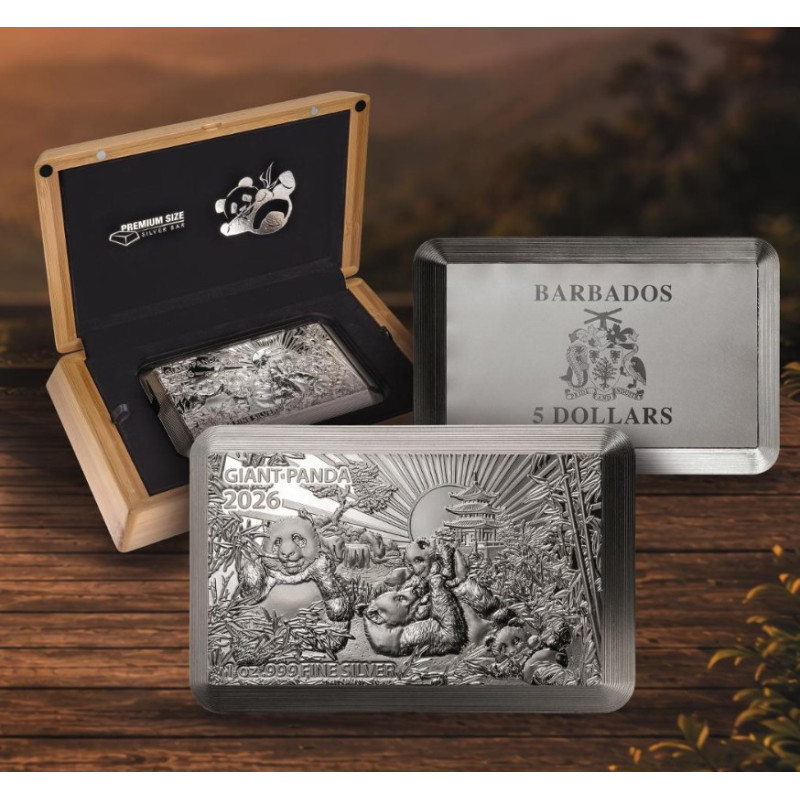
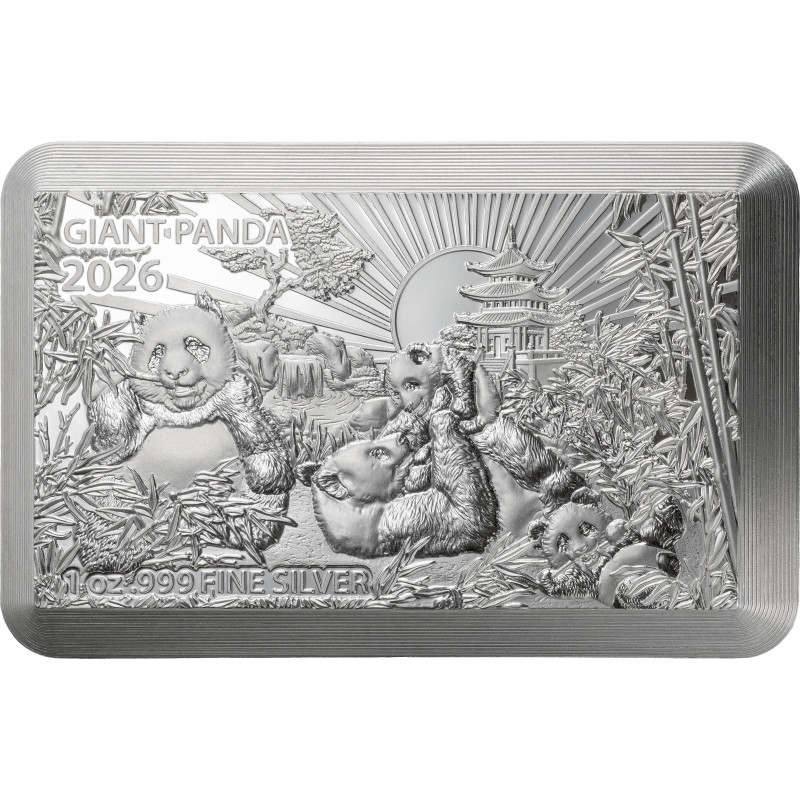
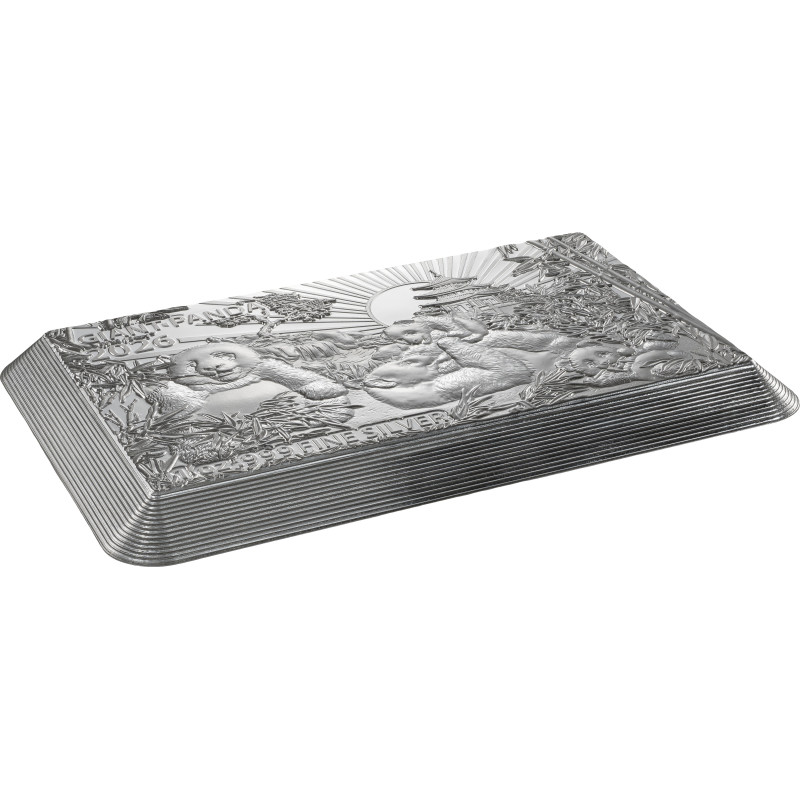
Silver, shaped as a bar, with a face value
Panda Family – Premium Size Silver Bar
1 oz silver coin bar · Barbados 2026 · AllCollect
★ Limited to 2,026 pieces worldwide
Numismatist vs. Coin Collector
Every numismatist collects in some way, but not every coin collector is a numismatist. A collector might fill a folder with state quarters or buy coins they like the look of.
A numismatist asks questions about those coins: which mint, which die variety, how many survive, what the grade is and why it matters. Collecting coins is a hobby; numismatics is the knowledge behind it, and plenty of people grow from one into the other out of interest.
There's no exam or license that turns one into the other. Most numismatists started as collectors and kept reading. When you can tell a proof from an uncirculated coin, look up a coin's mintage and explain what moves its price, you're doing numismatics.
What Does a Numismatist Do?
Studies the physical coin
Metal, weight, diameter, edge, the way it was struck. A numismatist checks these against the published specifications, because a coin that weighs 0.3 g too little or has the wrong edge is either a variety, an error or a fake.
Researches the history
Coins are dated documents. A numismatist reads them in their historical context: who ruled, what they wanted people to believe and how the economy worked, the way historians read a coin of Richard the Lionheart or a hoard buried in a war.
Coins even helped decipher lost scripts: in the 1830s James Prinsep used bilingual Indo-Greek coins, with Greek on one side and Kharosthi on the other, to read the Kharosthi alphabet.
Coins carry the names and portraits of rulers, so they date events where written records are missing, and mint records can be checked against government policy: a melt order or a war shows up in the production figures.
Religious symbols on coins show what people believed, and the places where coins turn up map old trade routes and economic systems.

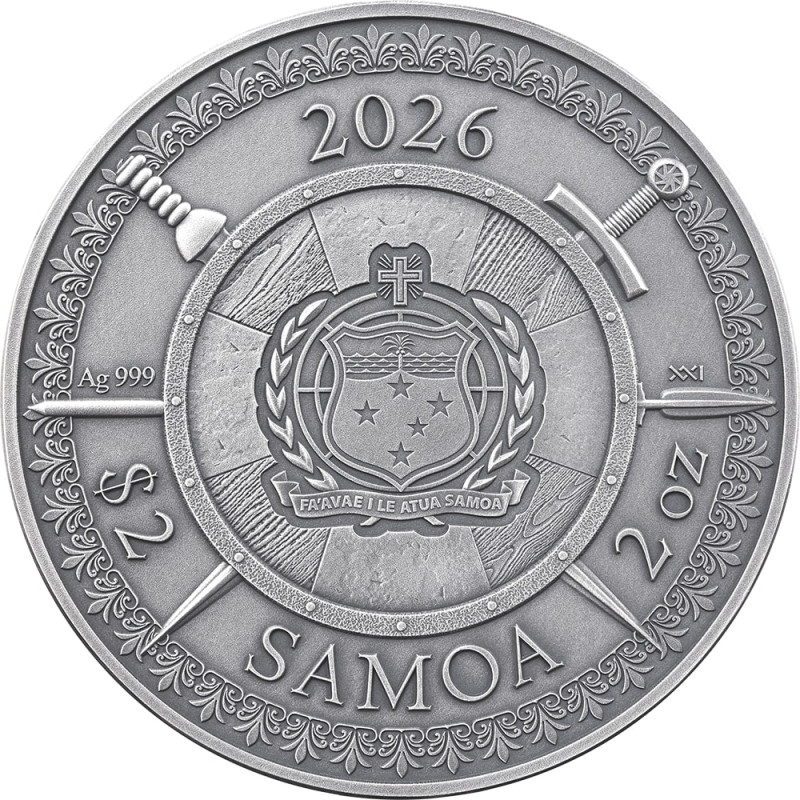
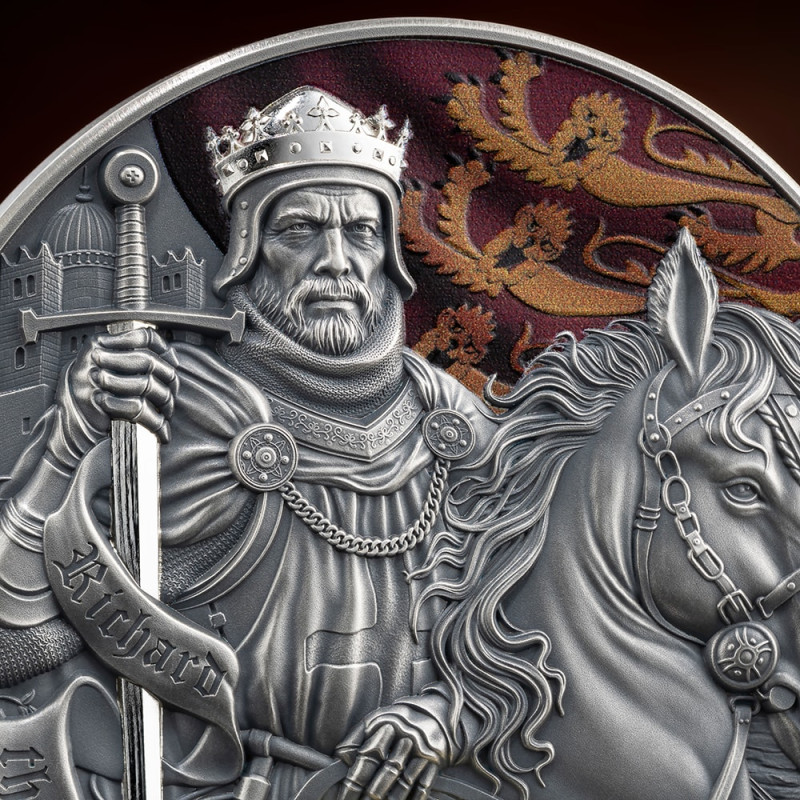
History you can hold
Richard the Lionheart
2 oz silver coin · Samoa 2026 · MINT XXI
★ Limited to 500 pieces worldwide
Grades and values coins
Condition decides price. Most graders use the Sheldon scale from 1 to 70, published by William Sheldon in 1949, where 70 means no flaws visible under 5x magnification.
Grading services like PCGS and NGC grade coins and seal them in slabs; our guide to NGC grading explains what MS70 and PF70 mean. Older descriptive terms are still in use, Good, Fine, Extremely Fine and Uncirculated, and every grade weighs wear, strike quality and eye appeal.
Authenticates
Fakes are common, especially of ancient and high-value coins. A numismatist compares the weight, the style and the die details against known genuine examples before anyone pays for a coin. For ancient pieces, buy from specialist dealers who guarantee authenticity.
Studies design
Modern collector coins add another layer, coin art: finishes, color, high relief and shapes that mints keep inventing. Numismatists follow which mint introduced which technique and which designs became series.

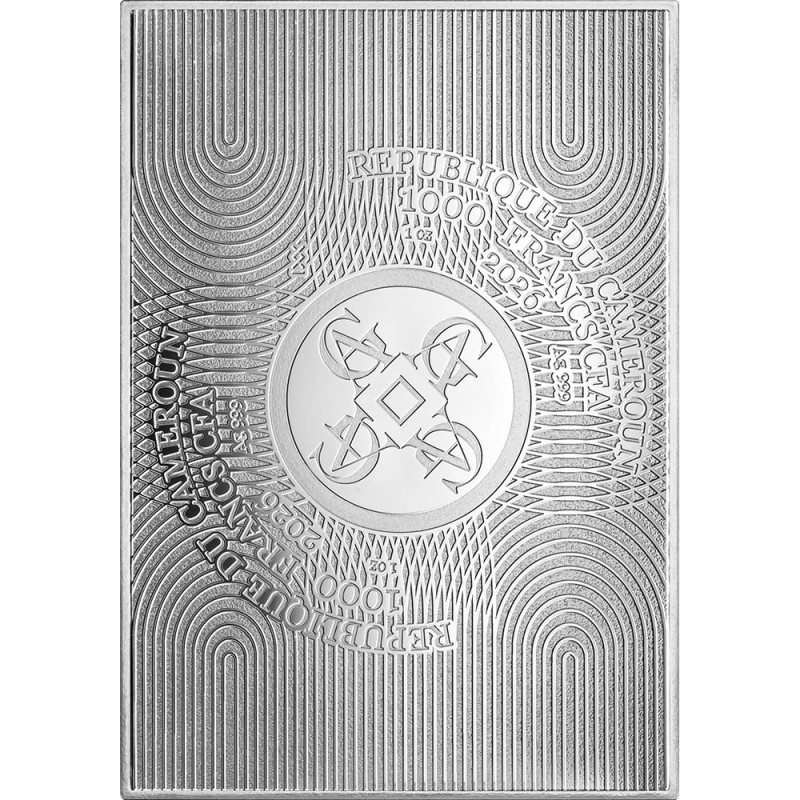

Coin art, 1,000 pieces
The Kiss – Gustav Klimt
1 oz silver coin · Cameroon 2026 · MINT XXI
★ Limited to 1,000 pieces worldwide
Ancient Coins, World Coins and Silver Coins: What Numismatists Collect
Numismatics covers more than coins. Notaphily is the study of banknotes. Exonumia covers tokens, medals, badges and other coin-like objects that aren't legal tender. Scripophily is the collecting of old stock and bond certificates.
Most numismatists focus on one period or form: ancient coins from Greece and Rome, medieval pennies, world coins from every country (Spanish pieces of eight are a classic), US circulating coins with their key dates, or modern silver coins struck for collectors.
The focus decides the knowledge you need and the difficulty of finding good examples. Those take a lot of reading on history; modern issues mostly take attention to mintage and condition, and a good collection starts with a few well-chosen examples.
What Makes Rare Coins Valuable?
Rare coins are valuable when scarcity meets demand. Key dates are the low-mintage years of a series, like the 1909-S VDB Lincoln cent with 484,000 struck, and every collector building a set needs one. Low mintage coins stay in demand because the supply can't grow. Our list of the top 20 most wanted coins has more examples.
Errors are the other route. Mint errors are made by accident and in small numbers, like the 1955 doubled die Lincoln cent, and genuine error coins draw buyers who pay far above face value. Proof coins, struck with polished dies for a mirror finish, carry a premium over standard coins from the day they're issued.
Condition holds all of it together. A rare coin with heavy wear is worth a fraction of a sharp one, which is why grading and storage matter: proper holders, low humidity and no cleaning. Old coins cleaned by a previous owner often lose most of their numismatic value.
How to Become a Numismatist
You don't need a degree. The American Numismatic Association, founded in 1891 by George F. Heath and chartered by Congress in 1912, has courses, a library and a monthly magazine, The Numismatist, which Heath started in 1888.
The American Numismatic Society, founded in New York in 1858, focuses on research and has one of the largest coin collections in the country.
Start with one area and learn it well: read the standard catalog, check mintages, look at coins in person, compare grades. Our guides to starting a coin collection, mintage and proof coins cover the basics. Professional numismatists work as graders, dealers, auction specialists and museum curators, and most of them learned on the job.
Mintage is the first number a numismatist checks on a modern coin. A design limited to 99 pieces can sell out within weeks, and after that the only supply is other collectors.

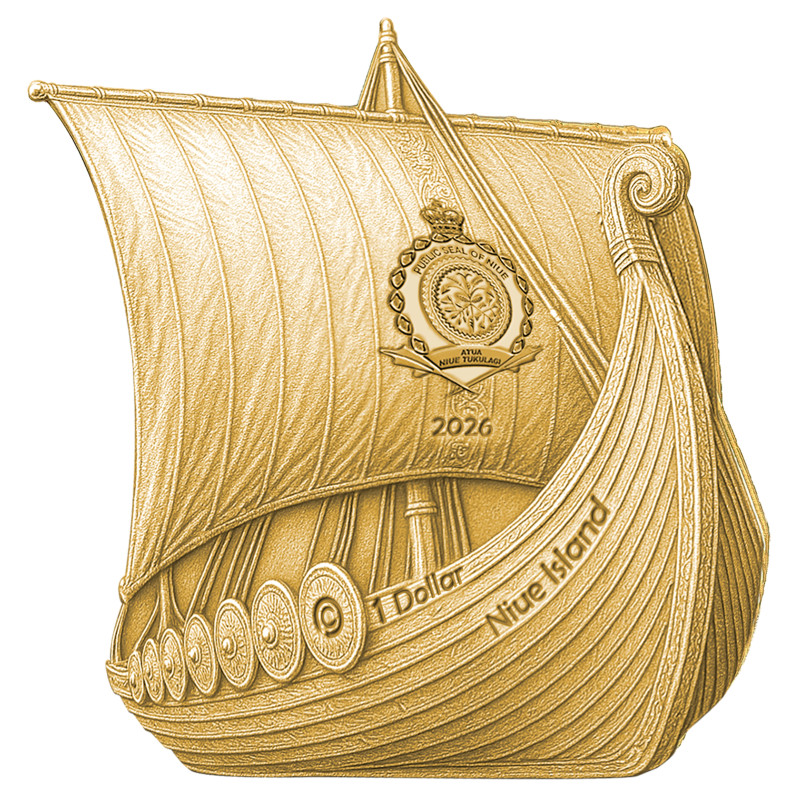
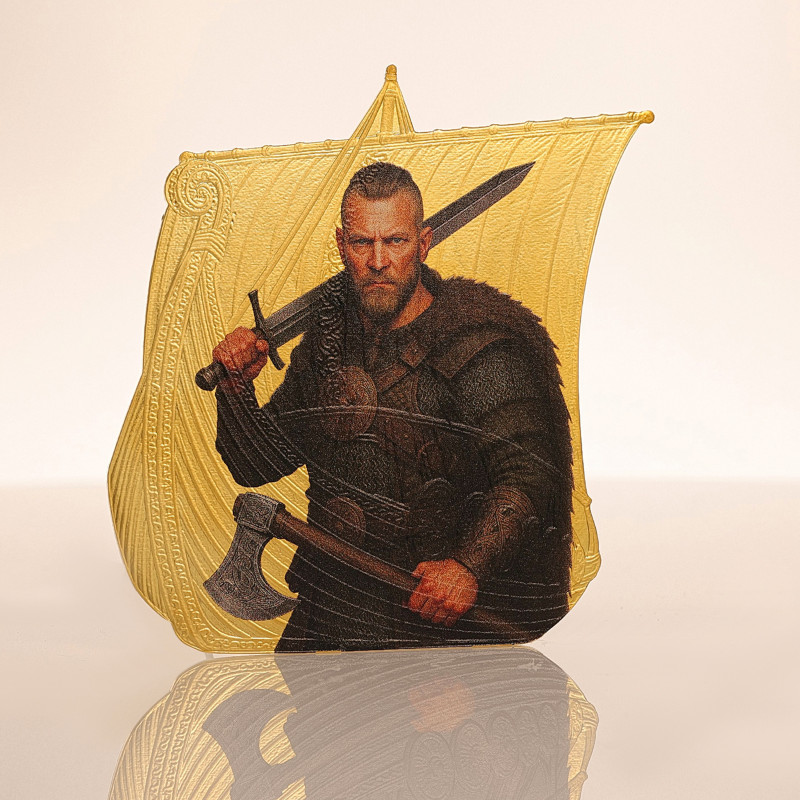
99 pieces per design
Ragnar Lothbrok – Sail with the Vikings
1 oz silver coin · Niue 2026 · Power Coin
★ Limited to 99 pieces worldwide
About Magikos Coins
Magikos Coins is a collector coin shop from Kraków, Poland, selling limited-mintage silver and gold coins since 2009. Every coin's mintage, metal, weight and mint are in its description, the facts a numismatist checks first.
We buy straight from the mints and are an authorized distributor of the Mint of Poland, Germania Mint, Power Coin, MDM, AllCollect and MINT XXI.
Parcels go tracked worldwide, including to the US, with Global Express or FedEx, and in-stock coins are dispatched within 3 business days. You can pay in US dollars or euros with PayPal or a card. Our feedback is 100% positive on eBay, Allegro and Catawiki, with an eBay score of 2,505 since 2009. Learn more about us.
FAQ: Numismatist
What is a numismatist?
A person who studies coins, banknotes, tokens and medals, and usually collects them. The word comes from the Greek nomisma, "coin".
How do you pronounce numismatist?
noo-MIZ-muh-tist, with the stress on the second syllable.
What does numismatic value mean?
The part of a coin's price above its metal value, paid for rarity, condition, design or history. Bullion coins have little of it; rare and limited coins have a lot.
Is a coin collector a numismatist?
Not automatically. A numismatist studies the coins: mint, variety, grade, history. Many collectors become numismatists as they learn.
How do I become a numismatist?
Pick an area, read the standard references and handle coins. The American Numismatic Association offers classes and a magazine; no degree is required.
What is the difference between numismatics and coin collecting?
Coin collecting is acquiring coins. Numismatics is the study of coins and other currency, which collectors use to choose, grade and value what they buy.