
Coin Collecting for Beginners: How to Start a Coin Collection
Coin collecting for beginners starts with one decision: what you want to collect. Without it, new collectors buy whatever looks cool and end up with a box of unrelated coins. Begin with a plan, and your numismatic journey gets easier with every purchase.
This guide is for people starting from zero: how to start a coin collection, what to learn, the best coins to collect first, the books worth reading and where to buy. We sell modern collector coins, so we'll also show a few series that fit a first collection.
TL;DR
- Pick a focus first: a country, a period, a design or one series.
- Start with coins within your budget, from pocket change to one good silver coin a month.
- Learn grading (the Sheldon scale runs from 1 to 70), mint marks and mintage before you spend much.
- Store coins in holders and never clean them.
- Read the Red Book, use PCGS CoinFacts, and buy from dealers with a track record.
What Is Coin Collecting?
Coin collecting, or numismatics, is collecting coins for their history, design and rarity rather than for spending. Collecting coins has been a popular hobby for centuries. The reason people stay with it for years is simple: there's always one more coin to find.
It mixes history, art and a bit of detective work: every coin has a year, a mint and a story about the country that issued it. Once you start studying your coins as well as buying them, you're on the way to becoming a numismatist.
Many coin collectors got started with pocket change.
How to Start a Coin Collection
Pick a focus
Beginner coin collectors should define a focus so the hobby doesn't overwhelm them. A theme can be based on a country, a historical period, a design or one series: State quarters, Morgan dollars, coins with animals, or a modern mythology series.
The rule of thumb: pick something you love and can afford, and focus on one type of collection to avoid overspending.
Set a budget
Set a monthly budget before you look at prices. Once you've started, write down every purchase in a simple list: coin, cost and grade, so years later you understand what you paid. Buy one high-quality coin instead of five low-quality ones.
Expensive isn't always better: affordable coins in good condition suit most budgets, and it's worth the wait for the right piece. Don't treat coins as short-term investments either; dealer margins mean a coin bought today usually sells for less tomorrow.
Get basic supplies
Where to begin with equipment? Basic supplies protect coins and help you examine details: holders, an album or a storage box, cotton gloves and a 5x to 10x magnifier. Hold a coin in your hand only by the edges. Keep a lot of coins?
Sort them by series in an album, so creating a set and seeing the gaps is easy. Our guide on how to store silver coins covers holders that won't damage them. And never clean your coins; it's the fastest way to lose value, as our guide on cleaning silver coins explains.
Coin Collecting Tips: What New Collectors Should Learn First
Three things decide what a coin is worth. Here are the tips we'd give any beginner before spending much.
Grade is the coin's condition. The Sheldon grading scale runs from 1 (barely identifiable) to 70 (flawless), and grading services like PCGS and NGC use it; our article on NGC grading explains MS70 and PF70.
The mint mark is the small letter showing where a coin was struck, such as D for Denver or S for San Francisco, and the same date can be common from one mint and rare from another. Mintage is the number struck; read what mintage means before you pay extra for "low mintage".
The best way to learn coin grading is to look at a lot of coins. Visit coin shows open to the public, where people bring coins to show and trade, compare graded coins with their labels, and use PCGS CoinFacts to check values; that knowledge is what separates a good buy from an expensive mistake.
Best Coins to Collect When You Begin
The best coins to start with are the ones you can find and complete, depending on your budget; key dates are much harder to find, as our list of the most sought-after coins shows. Complete sets are what make collecting coins satisfying. Here's a list of classic US series, with the years they were struck:
- Morgan silver dollars, first produced in 1878 and struck until 1904 and again in 1921.
- Peace silver dollars, 1921 to 1935; the 1921 is scarce and much loved.
- Walking Liberty half dollars, 1916 to 1947, often called the most beautiful US silver coin.
- Mercury dimes, where the 1916-D is the key date of the series.
- Washington quarters, where the 1932-D is scarce and valuable.
- Saint-Gaudens double eagles, 1907 to 1933, the classic US gold coins.
For modern gold coins, the 1986 $5 Statue of Liberty commemorative from the United States Mint had a production limit of 500,000. The United States Mint also sells proof sets and mint sets directly.
Modern collector coins are another route: series with a fixed mintage and a certificate, one design at a time. Three that fit a first collection:

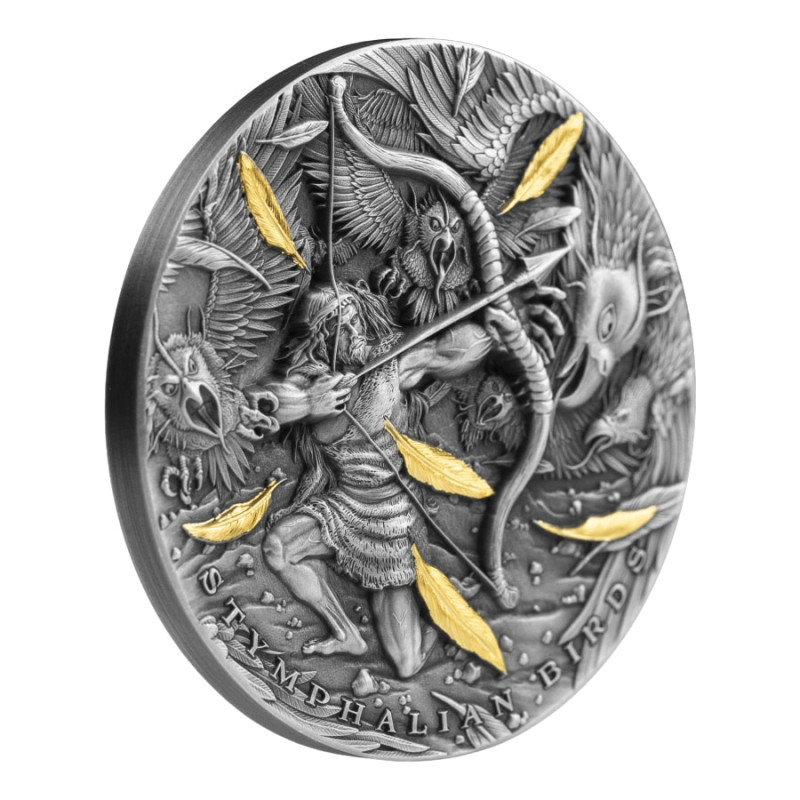
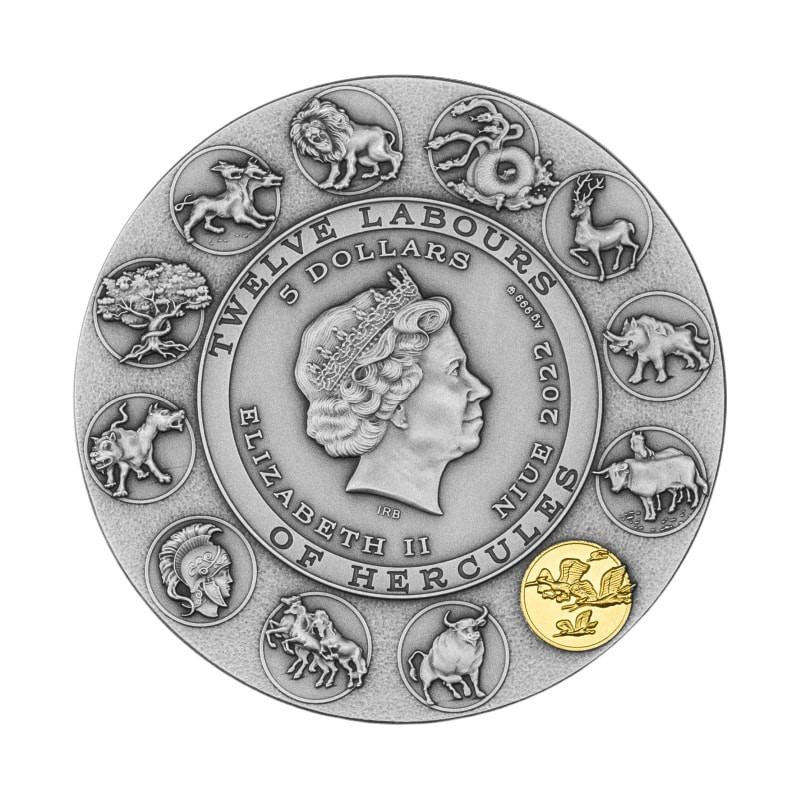
A series of 12, one labour at a time
Stymphalian Birds – Twelve Labours of Hercules
2 oz silver coin · Niue 2022 · Mint of Poland
★ Limited to 500 pieces worldwide

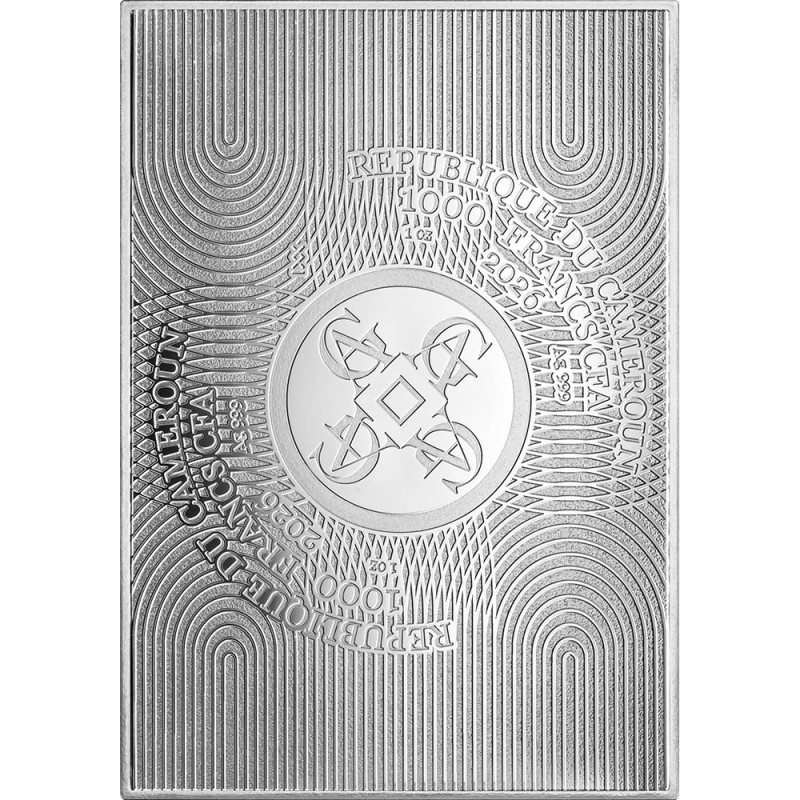

Famous paintings in 1 oz proof silver
The Kiss – Gustav Klimt
1 oz silver coin · Cameroon 2026 · MINT XXI
★ Limited to 1,000 pieces worldwide

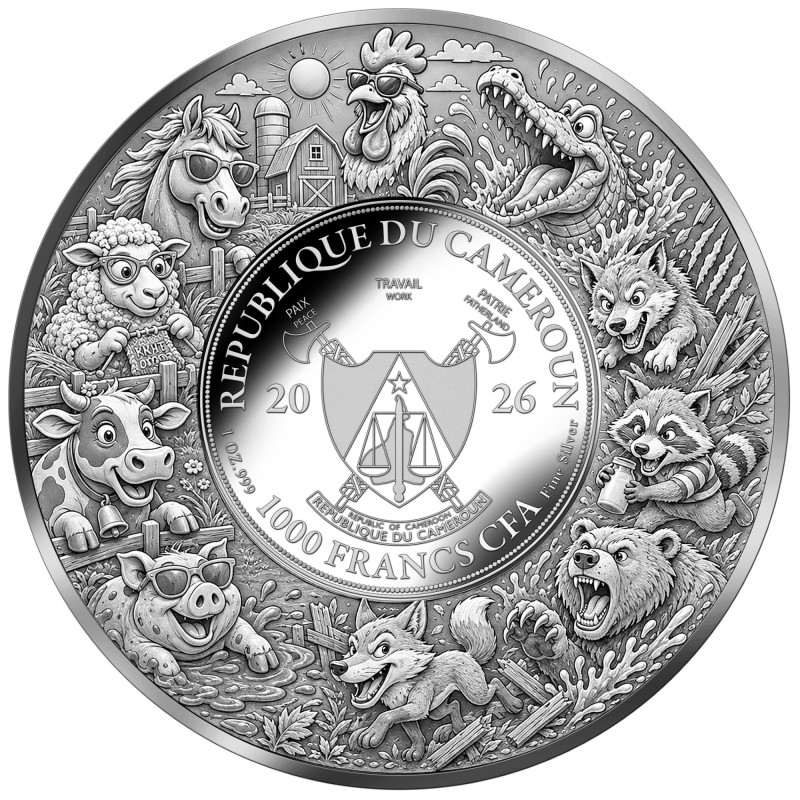

Five designs, 199 pieces each
The Great Egg Chase – AI-Nimals
1 oz silver coin · Cameroon 2026
★ Limited to 199 pieces worldwide
Buying Coins: Where to Purchase Safely
Reputable sources include local coin shops, established dealers, coin shows and the United States Mint, where you create an account to buy new issues. Online, buy from sellers with a long record and real feedback. Sort offers by seller rating, not only by cost; fakes of popular silver and gold coins are common on the market.
Join the American Numismatic Association or a local coin club for resources, networking and knowledgeable people who'll answer questions.
Best Coin Collecting Books for Beginners
Read before you buy; the best books save you money on your first purchase. Of all the books on US coins, the standard is the Red Book, A Guide Book of United States Coins, published every year with mintages and retail value estimates for every US coin. The Blue Book lists what dealers typically pay.
For grading, the ANA's official grading standards are the reference most dealers use. Online, PCGS CoinFacts and the NGC price guide are free. Our tips for books: start with the Red Book, add a grading guide, then read about the one series you collect.
Coin Collecting for Kids
Children start best with coins they can find, and the number of things they learn is surprising: dates, mint marks, geography.
State and America the Beautiful quarters from pocket change, a cardboard folder with a hole for each design, and a year to look for make a cool first collection. After a full folder, a silver coin with an animal on it is a good next step.
Collecting and Investing
Coin value is based on rarity, condition, age and market demand, and nothing guarantees an increase. Bullion coins follow the metal price; collector coins add design and scarcity on top. Finally, collect because you enjoy it, not as investments, and treat any gain as a bonus.
About Magikos Coins
Magikos Coins is a collector coin shop from Kraków, Poland, selling limited-mintage silver and gold coins since 2009,, many of them in series that make a good first collection, bought straight from the mints.
In-stock coins are dispatched within 3 business days, tracked, and you can pay in US dollars or euros with PayPal or a card. Feedback: 100% positive on eBay, Allegro and Catawiki. Learn more about us.
FAQ: Coin Collecting for Beginners
How do I start a coin collection with no experience?
Pick one focus, set a monthly budget, buy a few holders and a magnifier, and read the Red Book before you spend much.
What are the best coins to collect for beginners?
Series you can complete: State quarters from pocket change, Morgan or Peace silver dollars in common dates, or a modern collector series with a fixed mintage.
What is the best coin collecting book for beginners?
The Red Book, A Guide Book of United States Coins. It's updated every year and lists mintages and value estimates for every US coin.
How can I learn coin collecting?
Join the American Numismatic Association or a local club, visit coin shows and learn grading; it's the most useful skill.
Is coin collecting good for kids?
Yes. Pocket-change quarters in a folder teach mint marks and geography.