
How to Clean Silver Coins Without Damaging Their Value
You've found a dark silver coin in a drawer and want to know how to clean silver coins without ruining them. The honest answer starts with a question: what kind of coin is it? A tarnished bullion round can take a gentle wash in distilled water.
A proof, a colorized coin or an old silver dollar should go back in its capsule untouched, because one improper cleaning can take away most of what a collector would pay for it.
Collectors expect sea corrosion on a shipwreck coin such as a Spanish piece of eight, and a cleaned one sells for less. Gold resists the sea, so shipwreck doubloons often come up still bright.
Below we cover how to identify the coin first, the safe distilled water method, the cleaning methods that damage coins, dug silver from metal detecting and how to store coins afterwards. We sell modern collector coins, most of them proof or colorized and high relief silver coins, so we also show which of them you should never clean.
TL;DR
- Rare or collectible coins should generally not be cleaned. Grading services label them "Improperly Cleaned", and the damage is permanent.
- Light cleaning is acceptable for common bullion rounds: warm distilled water, one drop of mild soap, a rinse in fresh distilled water and a pat dry.
- Silver polish, toothpaste, baking soda paste, vinegar and lemon juice strip toning or scratch the surface.
- The aluminum foil and baking soda method removes tarnish from low-value bullion, but it changes the surface. Never use it on collectible coins.
- Store coins in archival-safe holders without PVC, in a cool, dry place with silica gel.
Should You Clean Silver Coins?
Usually not. Tarnish doesn't change how much silver a coin contains, so it doesn't touch its silver value. Cleaning, on the other hand, can take away its numismatic and collector value.
Collectors and grading services see a cleaned coin under a lamp: micro scratches, a flat, too-bright shine, mint luster gone from the fields, toning removed from the high points but left in the corners of the design. NGC doesn't give such coins a number grade from 1 to 70.
It certifies them with a Details grade, often "Improperly Cleaned", and says that in most cases the damage is permanent. Dealers estimate that a light cleaning cuts a coin's collectible premium by 20 to 30 percent, and harsh scrubbing by half or more.
Hairline scratches and a harsh, artificial shine also make coins less attractive to buyers, which hurts their market value.
Our rule is simple. Leave potentially valuable coins alone and ask a professional before treating it. If it's a common bullion round you bought for the metal, a gentle wash is fine.
Identify the Silver Coin Before Cleaning
Before any water touches the coin's surface, find out what you have. Four checks take ten minutes:
- Age. US dimes, quarters and half dollars dated 1964 or earlier are 90% silver, and any silver dollar older than a few decades may be worth more to collectors than its metal.
- Rarity. Look up the date, mintmark and mintage in a price guide or on the NGC and PCGS websites before you handle it.
- Collectible or bullion. A common bullion coin like the American Silver Eagle sells close to its metal value. A limited-mintage collector coin with a certificate does not, and its value is in the original surface.
- Finish. Proof, colorized, high relief and antique finish coins carry the highest cleaning risk, and you shouldn't clean any of them.
Proof, colorized and high relief coins
These are the coins we sell, and they suffer most from cleaning. A proof coin has mirror fields that show every touch. A fingerprint on a proof isn't dirt you can wipe: rubbing it adds hairlines to the mirror, which is exactly what graders look for.

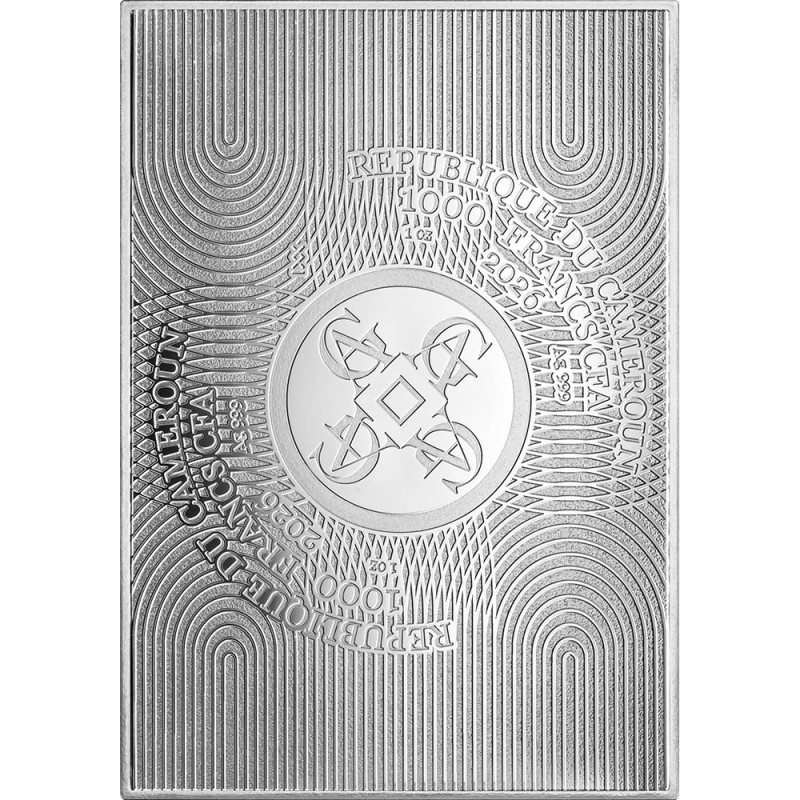
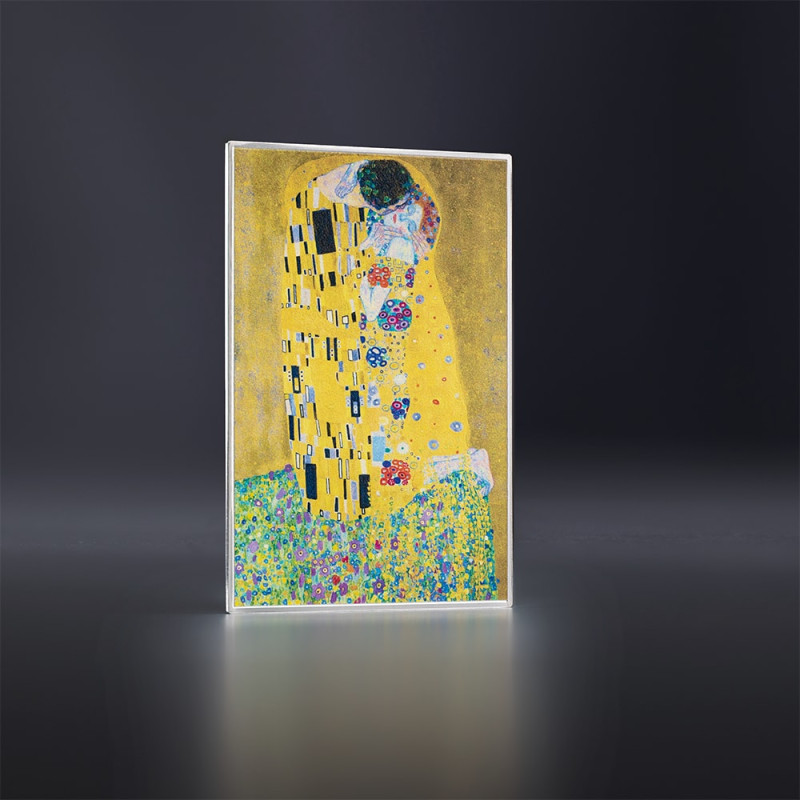
Proof with printed color
The Kiss – Gustav Klimt
1 oz silver coin · Cameroon 2026 · MINT XXI
★ Limited to 1,000 pieces worldwide
Colorized coins carry a printed or enamel layer on top of the silver. Soap and water won't harm the silver, but rubbing or a solvent can lift or dull the color. If a colorized coin is dusty, a puff of air from a rubber blower is as far as we'd go.

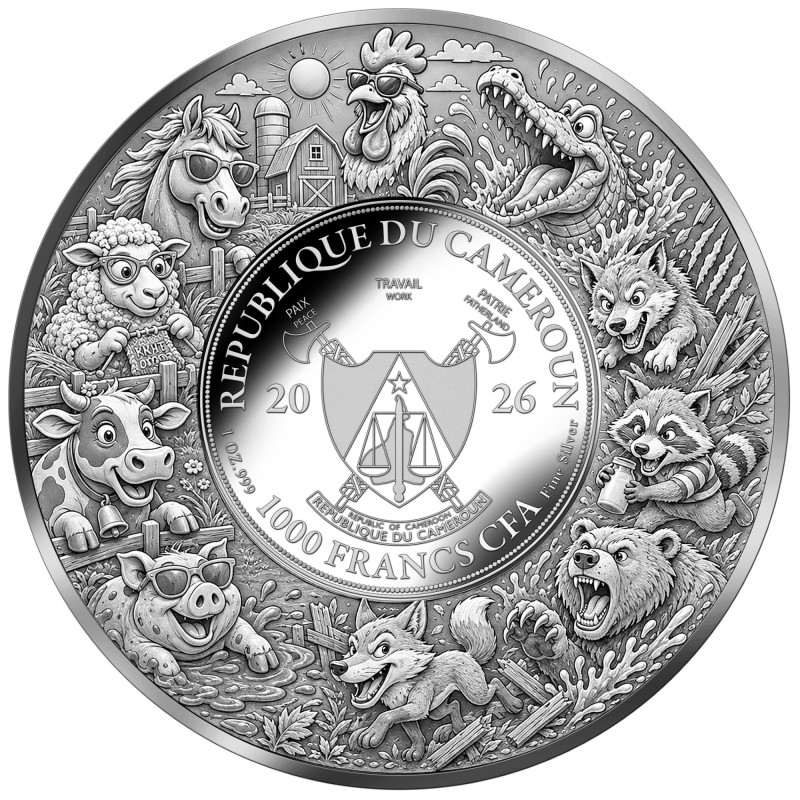

Color on a proof surface
The Great Egg Chase – AI-Nimals
1 oz silver coin · Cameroon 2026
★ Limited to 199 pieces worldwide
High relief and ultra high relief coins have deep recesses where a cloth catches and a brush scratches. Cleaning makes the high points shine while the recesses stay dark, which looks wrong to anyone who has seen the original. More on these finishes in our guide to proof, BU and antique finishes.

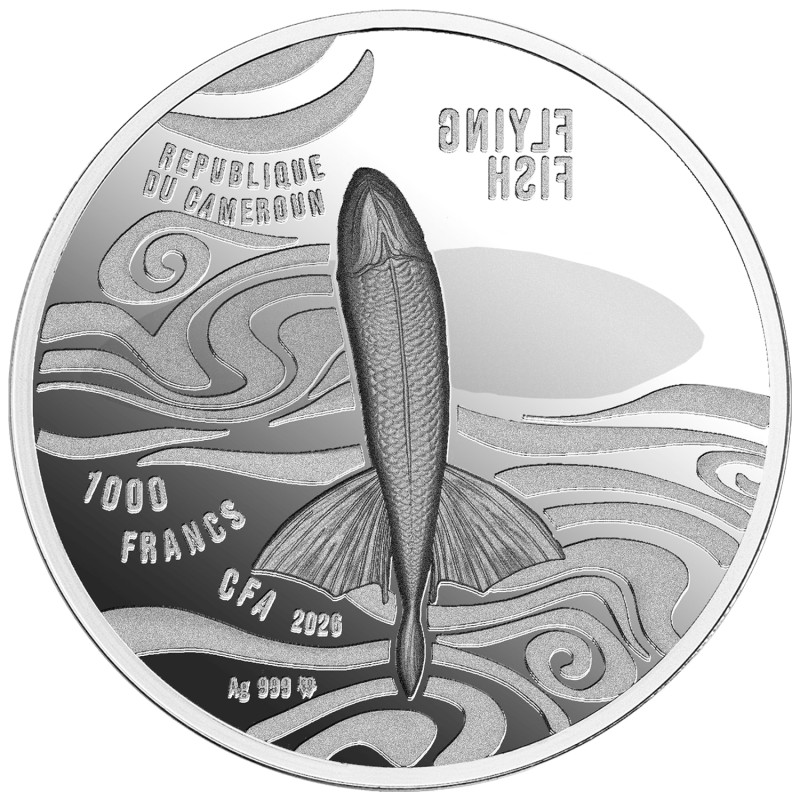
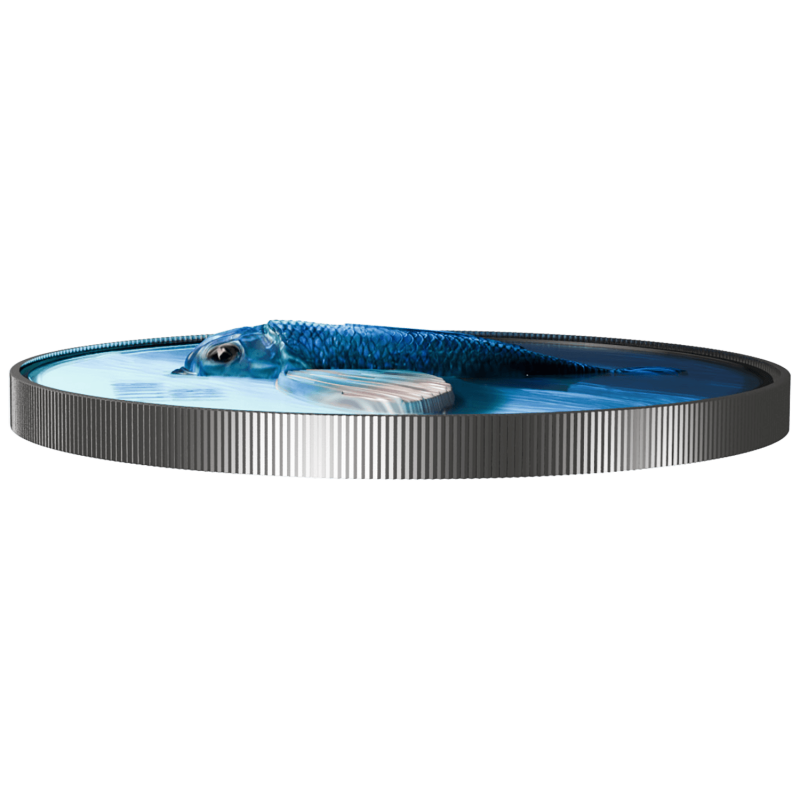
Mirror proof with ultra high relief
Flying Fish
1 oz silver coin · Cameroon 2026 · Mint of Poland
★ Limited to 777 pieces worldwide
Prepare for Cleaning Silver Coins
Photograph the silver coin on both sides before treatment, in daylight and from an angle. If something goes wrong, the photo shows what the coin looked like; if you sell it later, it shows the coin wasn't harshly cleaned.
Put on cotton or nitrile gloves and handle coins by their edges only. Skin oil leaves fingerprints that tone faster than the rest of the surface. Then gather what you need: two bowls, distilled water (not tap water, whose minerals and chlorine leave spots), a mild dish soap and a soft, lint-free cloth.
How to Clean Silver With Distilled Water
This is the method for common bullion rounds and common coins from pocket change with light tarnish or dirt. It won't make the coin shine like new. It removes dirt and fingerprints, which is all most coins need.
- Fill a bowl with lukewarm distilled water. Warm water works better than hot water, and boiling water has no place here.
- Add one drop of mild soap. Dawn or any plain dish soap without lotion or bleach is fine.
- Soak the coin for 10 to 15 minutes. Don't scrub or wipe the silver rounds while they soak; if dirt is stuck, roll the coin gently between gloved fingers in the water.
- Rinse away the soap residue with fresh distilled water.
- Pat the surface dry with a soft, lint-free cloth without rubbing.
Rinsing silver coins safely
Use separate water for the final rinse, from a second bowl or a fresh pour of distilled water, never running water from the tap. The final step is drying: let the coin air-dry completely on the cloth. Only store the coin after all moisture is gone; a drop trapped in a capsule leaves a spot.
For sticky residue like old tape or the green film from soft PVC flips, collectors use pure acetone, not nail polish remover with additives. Acetone dissolves those residues without harming silver. Let the coin sit in it, then let it evaporate. Don't rub.
Cleaning Methods to Avoid
Most of the cleaning methods on the internet were written for spoons, not coins. On a spoon, a few micro scratches don't matter. On a coin, they're the first thing a buyer sees.
Don't use silver polish on coins: it removes metal by design and strips the toning with it. Toothpaste is an abrasive and scratches the surface. Avoid brushes: even a soft brush on proof fields leaves hairlines.
And never dry coins with paper towels or abrasive cloths; dab with a lint-free cloth only. Mechanical scrubbing of any kind does more damage than the tarnish it removes.
Aluminum foil and baking soda method
This is the method most guides recommend, so here's what it does. You line a bowl with fresh foil, shiny side up, place the coin on it, cover it with baking soda (some recipes add salt) and pour boiling water over it.
The chemical reaction taking place is electrolytic: the aluminum gives up electrons and turns the silver sulfide on the coin back into silver.
It removes tarnish without scratching, but it removes it everywhere at once, including the toning in the recesses that gives a coin depth, and the coin comes out flat and too bright.
Baking soda left in contact with the surface can also haze it. Use the aluminum foil method only on common, noncollectible bullion, and never on a collectible silver coin.
Baking soda paste, vinegar and lemon juice
Baking soda paste is a different thing from the foil bath. Rubbed on a coin, the grains scratch silver like fine sandpaper. Lemon juice and vinegar are acids: they remove tarnish by etching the metal, and on a coin they attack the finest surface details first, the hair, the lettering, the frost on a proof.
Leave vinegar out of coin cleaning altogether. For loose dirt, the gentler alternative is always the distilled water and soap soak above.
Clean Silver Coins Found Through Metal Detecting
Dug silver needs a different approach. A coin that's been in the ground for decades carries soil, salts and corrosion products, and its surface may be weaker than it looks.
Document the coin's condition first: photograph it and note where you found it. Then identify the metal before choosing a treatment.
Silver usually comes out of the ground black or grey and fairly intact; copper coins come out green or brown and need different care, and the olive oil soaks detectorists use for copper and bronze do little for silver.
For dug silver, a soak in distilled water and a few hours of patience loosen most dirt. Avoid aggressive cleaning on anything that could be an archaeological discovery, and ask a museum or a conservator for advice on historically significant finds before you touch them.
Preserve Patina Instead of Trying to Clean Silver
Tarnished silver isn't damaged silver, and collectors don't want clean coins; they want coins in original condition. Tarnish on silver is silver sulfide.
It forms when silver reacts with sulfur gases in the air, mostly hydrogen sulfide, and humidity speeds it up, as the Canadian Conservation Institute explains. Slowly built up over years, that layer becomes natural toning: gold, blue or rainbow colors that collectors prefer to a bright, cleaned coin.
Natural toning also supports a coin's authenticity, because it's hard to fake convincingly, and original surfaces with attractive toning can add a premium to a coin's value. Harmful surface deposits are different: green PVC film, verdigris on copper, or active spots that keep spreading.
Those can cause further deterioration and are worth professional conservation. White milk spots on bullion are a third case; no one has confirmed a single cause, and they don't wash off.
Some coins are dark on purpose. An antique finish is toned at the mint so the high relief stands out against darker fields, and black proof coins are made black. Polishing one of these to create artificial brightness destroys the finish the mint charged for.

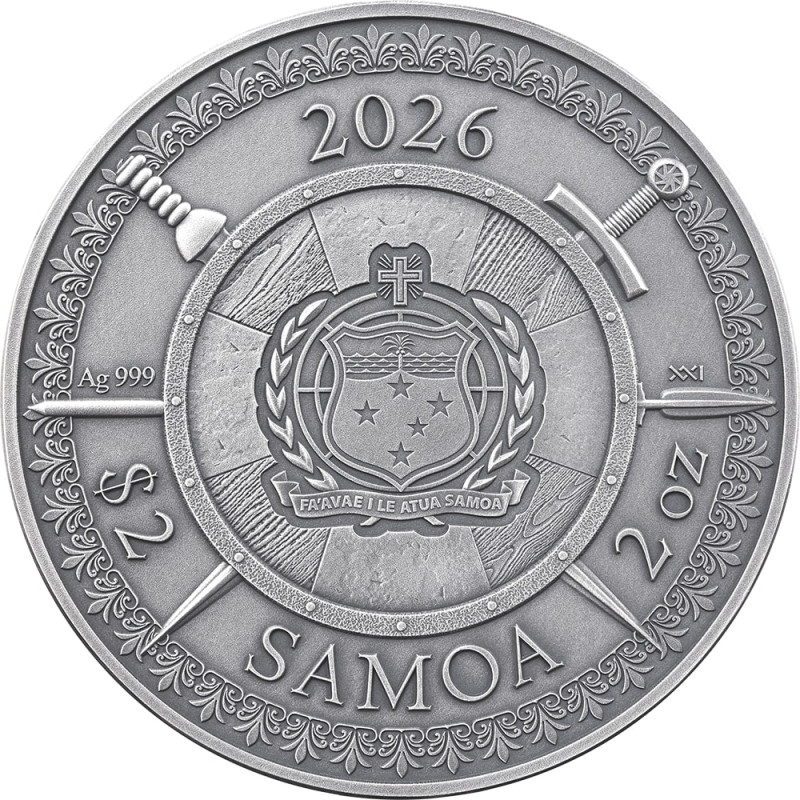
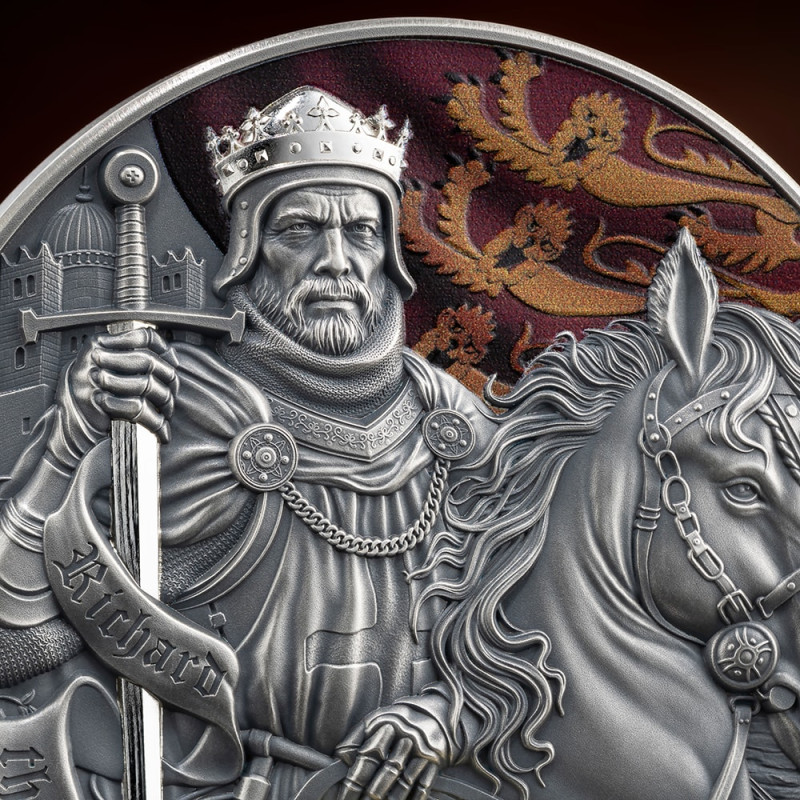
Antique finish: the toning is the design
Richard the Lionheart
2 oz silver coin · Samoa 2026 · MINT XXI
★ Limited to 500 pieces worldwide
Store Silver Coins After Cleaning
Prevention is cheaper than any cleaning. Store silver coins in archival-safe holders: the mint's capsule, inert hard plastic holders or albums labeled PVC-free. Avoid PVC plastic, the soft flips of older albums, because it breaks down into a green, sticky film that damages silver surfaces.
Keep coins in a cool, dry place, away from rubber bands and wool felt, which give off sulfur, and use silica gel packets to control humidity in the box. Handle stored coins by their edges, with gloves.
We go into capsules, albums and milk spots in our guide on how to store silver coins.
When to Consult a Professional
Refer rare coins to a qualified numismatist before you do anything. The same goes for inherited collections: sort and photograph them, but don't clean a single coin until someone has looked at them, because the valuable ones rarely look valuable.
For coins that need treatment, professional conservation removes residues without harming the original surface. NGC's sister company NCS conserves coins and then sends them on for grading.
PCGS Restoration does similar work for members and dealers and states that it never adds, removes or alters metal and never adds toning. For a valuation, use a trusted dealer or a grading service, not a pawn shop.
If you'd rather start with coins that need no cleaning at all, our cool silver coins arrive sealed in their mint capsules.
About Magikos Coins
Magikos Coins is a collector coin shop from Kraków, Poland, selling limited-mintage silver and gold coins since 2009. Most of what we sell is proof, colorized or high relief, the coins this guide tells you not to clean.
We buy straight from the mints and are an authorized distributor of the Mint of Poland, Germania Mint, Power Coin, MDM, AllCollect and MINT XXI.
Every coin leaves us in the mint's capsule and box, checked against its certificate and packed in a carton with bubble wrap and void fill. Parcels go tracked worldwide, including to the US, with Global Express or FedEx.
You can pay in US dollars or euros with PayPal or a card, and questions go straight to us by email, WhatsApp, Facebook or Instagram. Our feedback is 100% positive on eBay, Allegro and Catawiki, with an eBay score of 2,505 since 2009. Learn more about us.
FAQ: How to Clean Silver Coins
Do silver coins lose value when cleaned?
Collectible ones do. Graders give cleaned coins a Details grade instead of a number, and dealers estimate the loss at 20 to 30 percent of the collectible premium for a light cleaning and half or more for a harsh one. Common bullion keeps its silver value, so it loses only the small premium above the metal.
Is WD-40 good for cleaning coins?
No. It's a lubricant and solvent that leaves an oily film, which traps dust and has to be removed again. For sticky residue on silver, collectors use pure acetone, which evaporates without residue.
Will hydrogen peroxide clean silver coins?
It isn't a silver cleaner. Peroxide is an oxidizer and doesn't turn silver sulfide back into silver, so it won't remove tarnish, and any chemical bath counts as cleaning on a collectible coin.
Is it safe to clean silver coins with baking soda?
Not as a paste: rubbed on, it scratches the surface. In the aluminum foil bath it removes tarnish without scratching, but it strips all toning and leaves an artificial look, so keep it for common bullion only.
Does Dawn dish soap clean silver?
It removes grease, dirt and fingerprints, which is why one drop in warm distilled water is the safe method. It doesn't remove tarnish.
How do you clean silver coins that have turned black?
Black is heavy silver sulfide. On common bullion, the foil and baking soda method removes it, with the surface change described above. On collectible coins, leave it or ask a conservator. On antique finish and black proof coins, the black is deliberate.
Does Coca-Cola clean old coins?
It contains phosphoric acid, so it works the way vinegar does: it etches the metal. Old coins come out dull and visibly cleaned. Don't use it.
Is it better to clean old coins or leave them dirty?
Leave them. Collectors prefer coins with natural patina and original surfaces, and an old coin cleaned at home almost always sells for less than the same coin left alone.