
What Is a Proof Coin? Finishes, Grades and How to Spot One
Hand a proof coin to someone who doesn't collect, and the first thing they do is press a thumb right onto the mirror. Hand it to a collector, and they reach for gloves. So what is a proof coin, and why does it get that kind of respect?
A proof coin is a coin struck specially for collectors: polished dies, carefully prepared blanks and more than one strike give it mirror-like fields and sharp, often frosted designs. "Proof" describes how a coin was made, not what condition it is in.
In this guide we explain how proof coins are made, how they differ from uncirculated and bullion coins, which proof finishes you will meet on modern collector coins – from black proof to selective proof – and what grades like PF70 and Ultra Cameo mean.
Proof is also the starting point for most of the enhanced coins in our store, where color, gilding and high relief are added on top of a proof surface.
TL;DR
- Proof is a method, not a grade: polished dies and blanks, at least two strikes, careful handling – made for collectors, not for circulation.
- The look: mirror-like fields and crisp, often frosted designs; a proof coin is usually sold in a capsule with a certificate.
- Proof vs. uncirculated vs. bullion: bullion is made fast and priced close to the metal; uncirculated (BU) sits in between; proof takes the most work.
- Many finishes: classic proof, black proof, mirror proof, selective proof and reverse proof – prooflike is a different, simpler finish.
- Grades: PF70 is a flawless proof; Cameo and Ultra Cameo (NGC) or CAM and DCAM (PCGS) describe the contrast.
What Is a Proof Coin?
A proof coin is a coin made with extra care, for collectors and special occasions rather than for everyday use.
The fields – the flat background – are polished to a mirror, while the raised design (the devices) is often frosted, so the portrait or motif seems to float above a black, reflective surface. Look at a proof coin under a lamp and the background can appear almost black, while the design stays bright.
Two things are worth remembering from the start:
- Proof is about manufacture. A proof coin can be damaged, cleaned or scratched – it is still a proof, just a damaged one. A shiny coin from circulation is not a proof, however bright it looks. Cleaning is one of the easiest ways to damage a proof; we explain why in how to clean silver coins without losing value.
- Proof coins are usually legal tender. Most modern collector coins are NCLT – non-circulating legal tender. They are issued with a face value for a country such as Niue, Cameroon or Samoa, but they are made to be collected, not spent. Nobody pays for groceries with a 50 mm silver coin.
The tradition is old. Mints once struck a few special pieces to show officials a new design before production began; collectors soon wanted them too. Today proof is the standard finish for most limited-mintage commemorative coins in silver and gold.
How Proof Coins Are Made
A proof coin and a bullion coin can come from the same mint and the same metal, yet the process could hardly be more different:
- Prepared blanks. The blanks (planchets) are selected, cleaned and polished so that no flaw from the metal shows on the finished coin.
- Polished dies. The dies are polished to a mirror finish. To get the frosted contrast, the design areas are treated separately – some mints, as CoinNews describes at the U.S. Mint, polish dies by hand and use lasers to frost the design. Proof dies are cleaned and checked far more often than regular dies.
- Multiple strikes. Each proof is struck at least twice, slowly and under high pressure, so the metal fills every detail of the die.
- Handling and inspection. Proofs are never touched with bare hands. Each coin is inspected for errors and flaws and goes straight into a capsule, usually with a box and a certificate of authenticity.
All of this takes time. A press making bullion coins can produce thousands of pieces an hour; proof coins come off the line slowly and in small numbers. That is one reason proofs are made in limited mintages – often 500 or 1,000 pieces worldwide for modern collector coins.
US Mint Proof Coins and Proof Sets
In the US, most collectors meet proofs through the US Mint. Every year the Mint sells proof versions of its circulating coins, specifically for collectors, in annual Proof Sets, and many collectors build a run of sets year by year.
Proof coins often bear a mint mark that shows where they were struck – on US proofs usually an S for San Francisco or a W for West Point.
Silver content matters here. For decades, the dimes, quarters and half dollars in US Mint Silver Proof Sets were made of 90% silver; since 2019 the Mint has used .999 fine silver. The sets come in protective holders and a presentation box, which keeps the coins in the condition collectors and dealers expect.
Demand for these sets is steady, but they cover only US designs – for themes like mythology, wildlife or space, collectors turn to proof coins from other mints and issuing countries.
Proof vs. Uncirculated vs. Bullion Coins
"Proof vs. uncirculated" is one of the most common questions collectors ask, and bullion coins add a third option. Here is how they compare:
| Proof | Uncirculated (BU) | Bullion | |
|---|---|---|---|
| Made for | collectors | collectors and buyers who want a clean coin | metal buyers |
| Production | polished dies and blanks, at least two strikes | standard dies, careful handling | mass production, one strike |
| Look | mirror fields, frosted design | bright, satiny, even surface | standard finish, small marks are normal |
| Mintage | limited | larger | usually unlimited |
| Packaging | capsule, box, certificate | capsule or mint packaging | tubes or monster boxes |
| Price | highest premium over the metal value | moderate premium | close to the spot price |
Which is better? It depends on why you buy. If you want silver by the ounce, bullion is the efficient choice. If you collect – a theme, a series, a mint – proof coins give you the best craftsmanship, the lowest mintages and the most detail.
Our store focuses on the second group: limited-mintage collector coins, almost all of them in proof or a related finish.
Types of Proof Finishes on Modern Collector Coins
Most articles stop at the classic mirror proof. Modern mints go much further, and you will see the following names on product pages and certificates. Here is how to sort them out. For a shorter side-by-side overview of BU, proof and antique finish, see Proof, BU, Antique Finish – How Do Coin Finishes Differ?.
Classic Proof and Cameo Contrast
The classic look: mirror fields and a frosted design. The stronger the contrast, the stronger the cameo effect. On modern coins the frosting is often done with a laser, which lets the mint matte only selected areas.
A good example is the Lion from the Mint of Poland "Save the World" series: the proof finish and laser matting make the silver shine where it should, while the hands and ornaments stand out clearly.
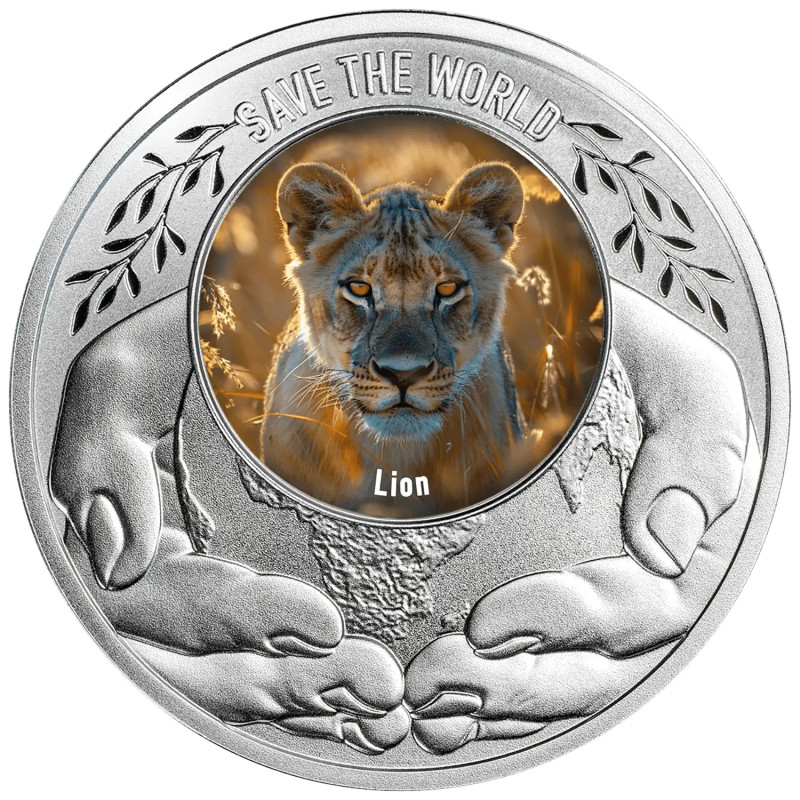
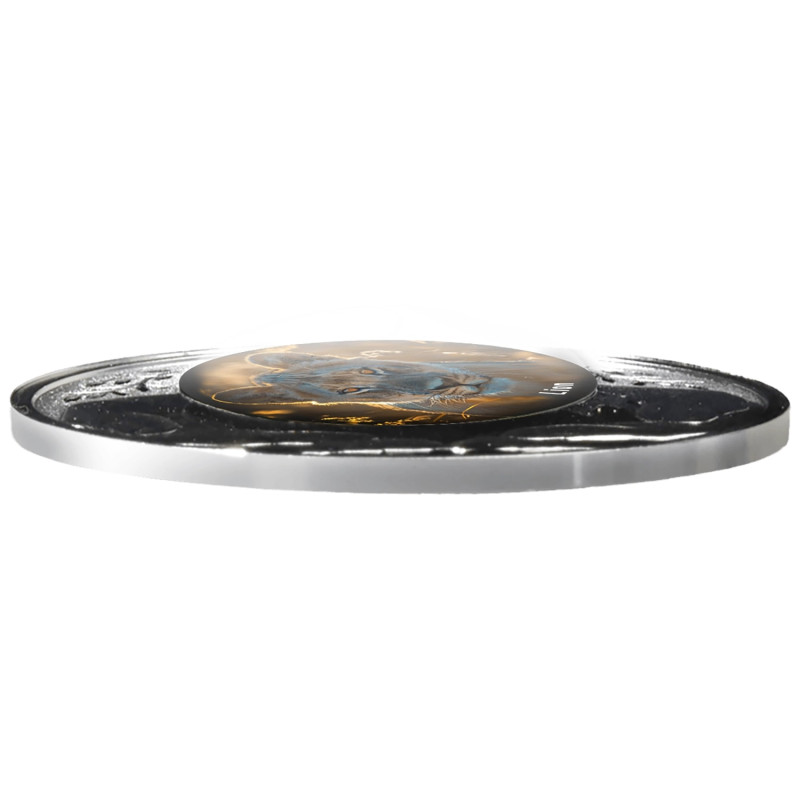
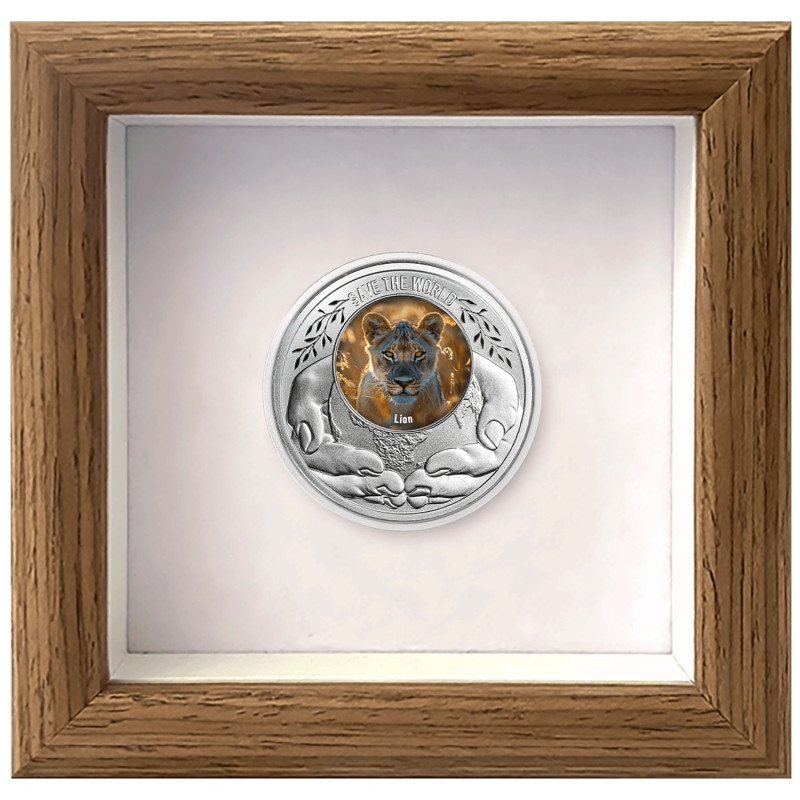
Classic proof with laser matting
Lion – Save the World
17.5 g silver coin · Cameroon 2026 · Mint of Poland
★ Limited to 500 pieces worldwide
Black Proof
Black proof is a dark, deep finish on a proof surface. It works especially well for night skies and space themes, because color and silver details pop against the black background.
The De Doodle: Exploration of Space coin, the first in the De Doodle series, combines black proof with microprinting, high relief, an antique finish, a real hologram and 3D-printed inserts of Neptune, Mars and the moon. More space designs are in our Universe coins category.

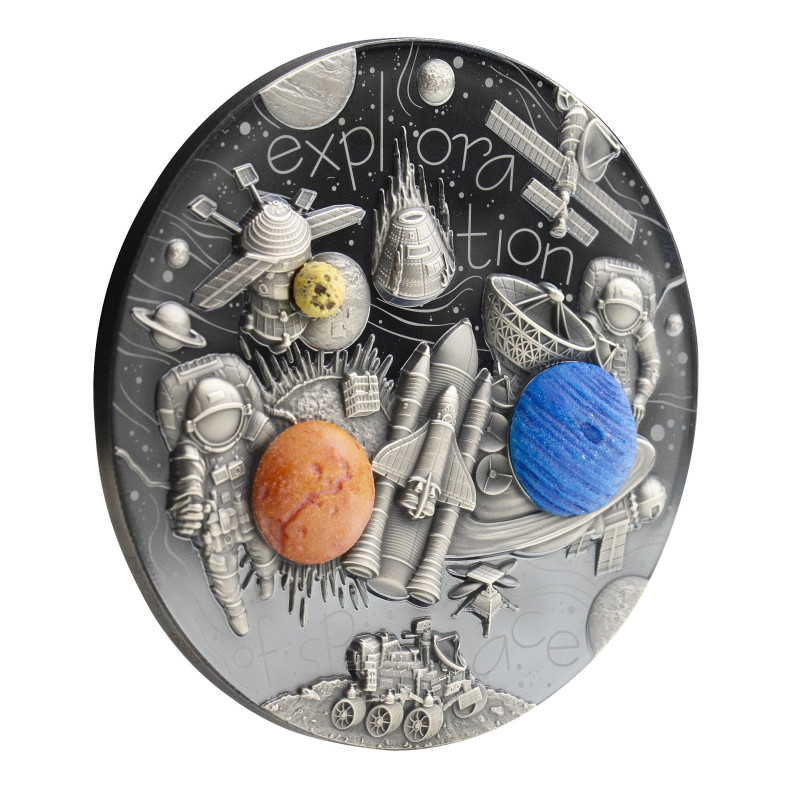
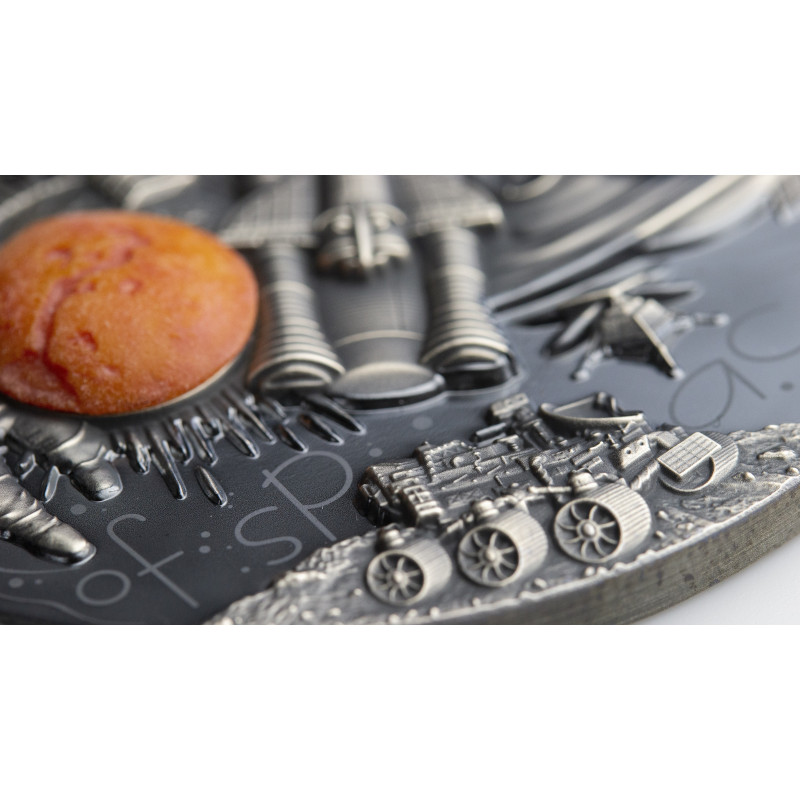
Black proof
De Doodle: Exploration of Space
3 oz silver coin · Cameroon 2022
★ Limited to 422 pieces worldwide
Mirror Proof on a 3D Shape
Proof isn't limited to round, flat coins. Shaped and three-dimensional coins can also get a full mirror finish. The Balloon Dog from Niue is a fully three-dimensional silver sculpture (55 × 18 × 47 mm) whose mirror proof finish reflects its surroundings like a real party balloon. It is available for pre-order.
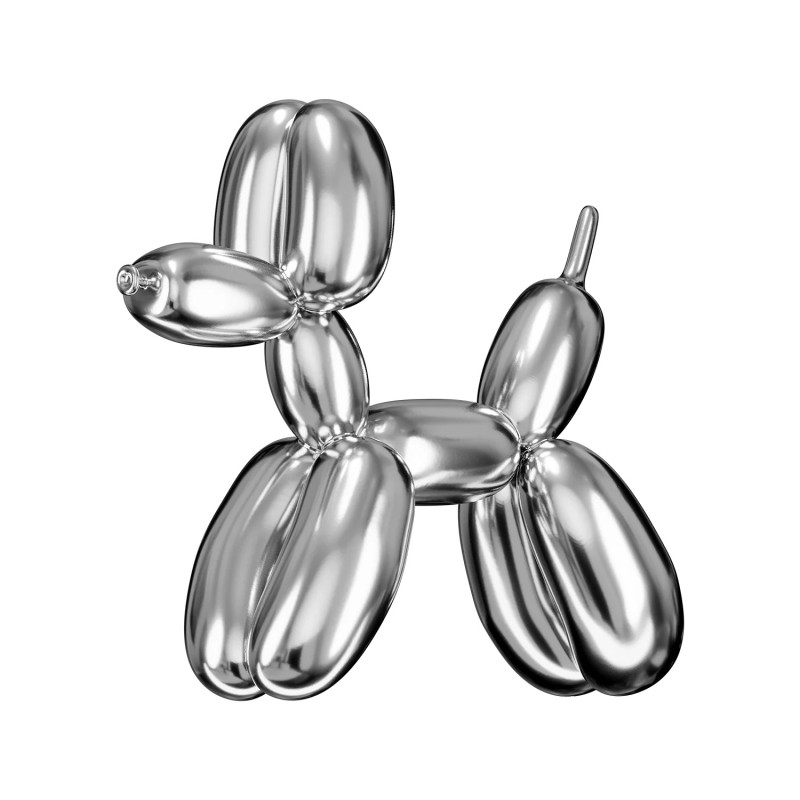
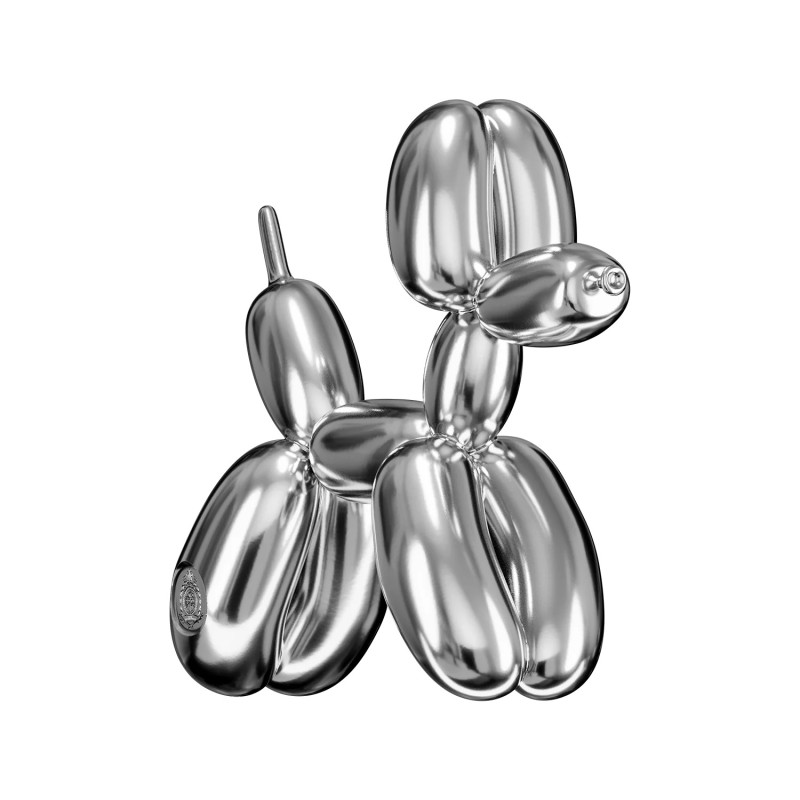
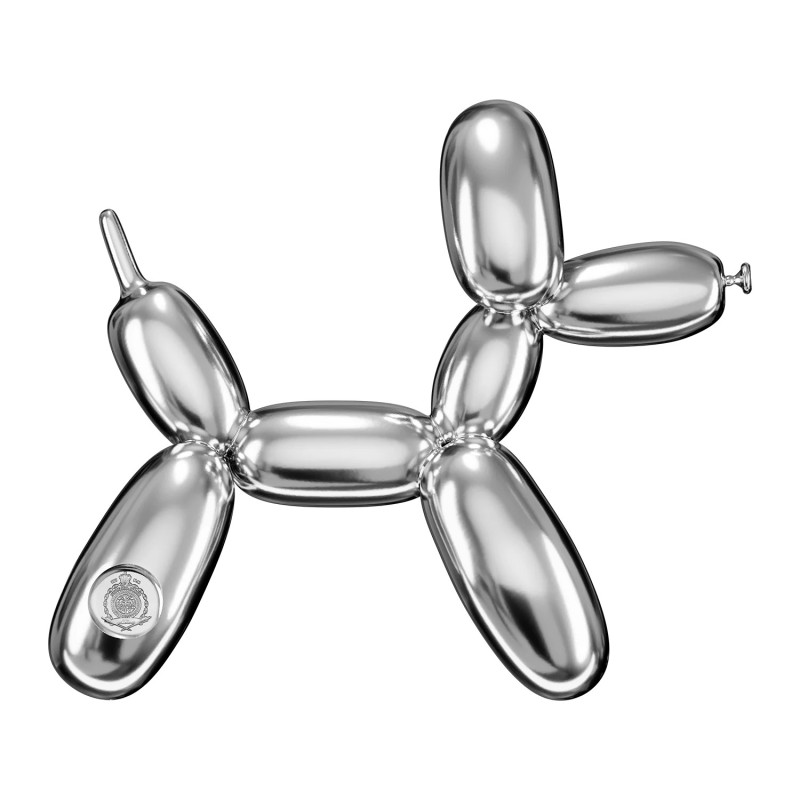
Mirror proof in 3D
Balloon Dog
1 oz silver coin · Niue 2027 · Spectres
Available for pre-order – allow for the release date.
Pre-order this coin →★ Limited to 500 pieces worldwide
Selective Proof
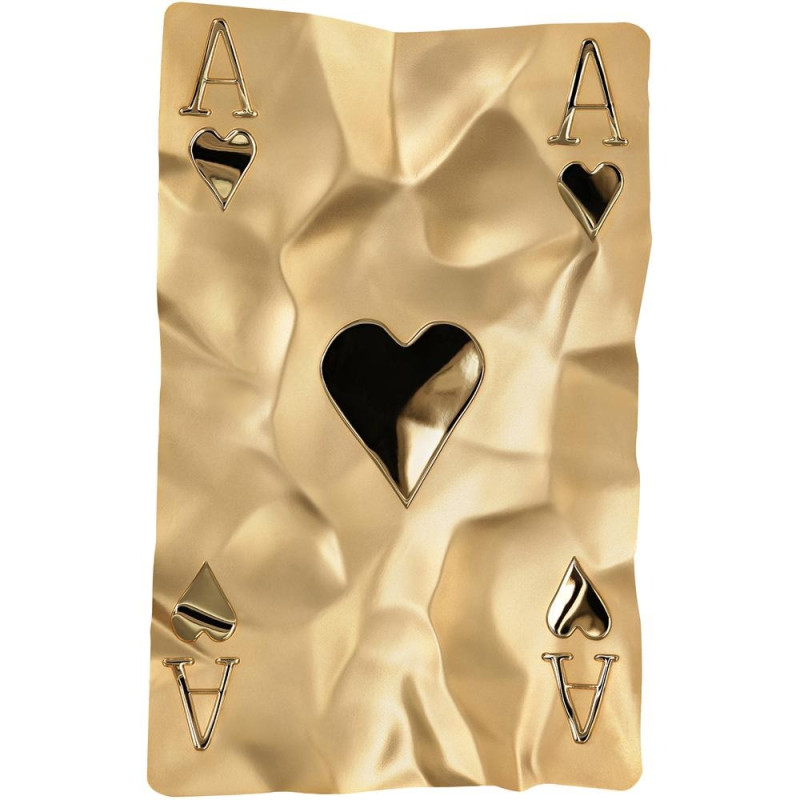
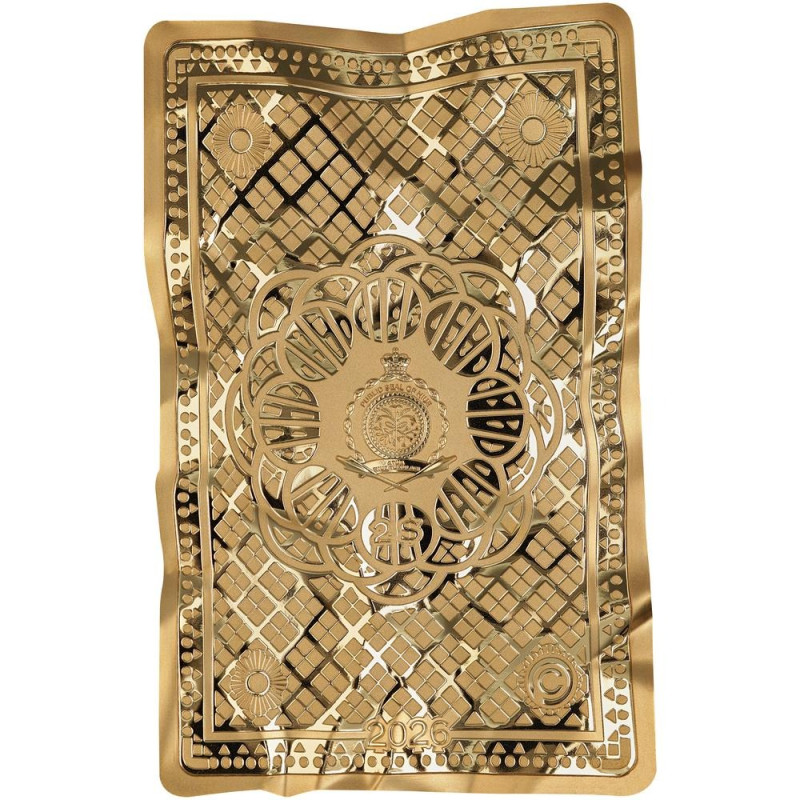
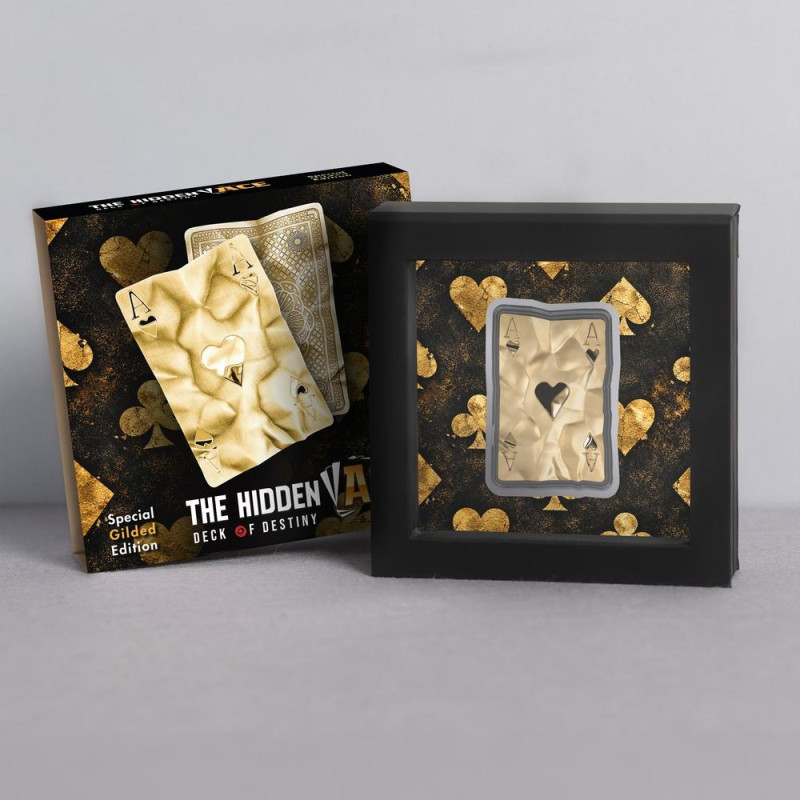
Some coins use proof only in chosen areas, so the mirror becomes part of the design. On the Hidden Ace Gilded from Power Coin's Deck of Destiny series, the crumpled playing card has a silk (satin) finish, while the hearts shine in proof.
The whole coin is plated with 24-carat gold, and only 99 pieces are made. It is available for pre-order.
Selective proof
The Hidden Ace Gilded – Deck of Destiny
1 oz silver coin · Niue 2026 · Power Coin
Available for pre-order – allow for the release date.
Pre-order this coin →★ Limited to 99 pieces worldwide
Reverse Proof
A reverse proof swaps the finishes: frosted fields and mirror-like devices. The design looks bright and polished against a soft, matte background. Reverse proofs are popular for anniversary editions of well-known series, and they are graded as proofs. Note that NGC does not give Cameo or Ultra Cameo designations to reverse proofs.
Prooflike Is Not Proof
"Prooflike" sounds close, but it means something else – and even experienced collectors acknowledge that the two are easy to confuse. In US grading, prooflike (PL) describes a regular, business-strike coin that happens to have mirror-like surfaces – usually because it was struck with fresh dies.
On modern collector coins, mints use "prooflike" as the name of a bright, reflective finish made with fewer steps than a full proof. It is especially common on large formats like the Panda Family premium size silver bar from Barbados, which measures 133.9 × 86.6 mm.
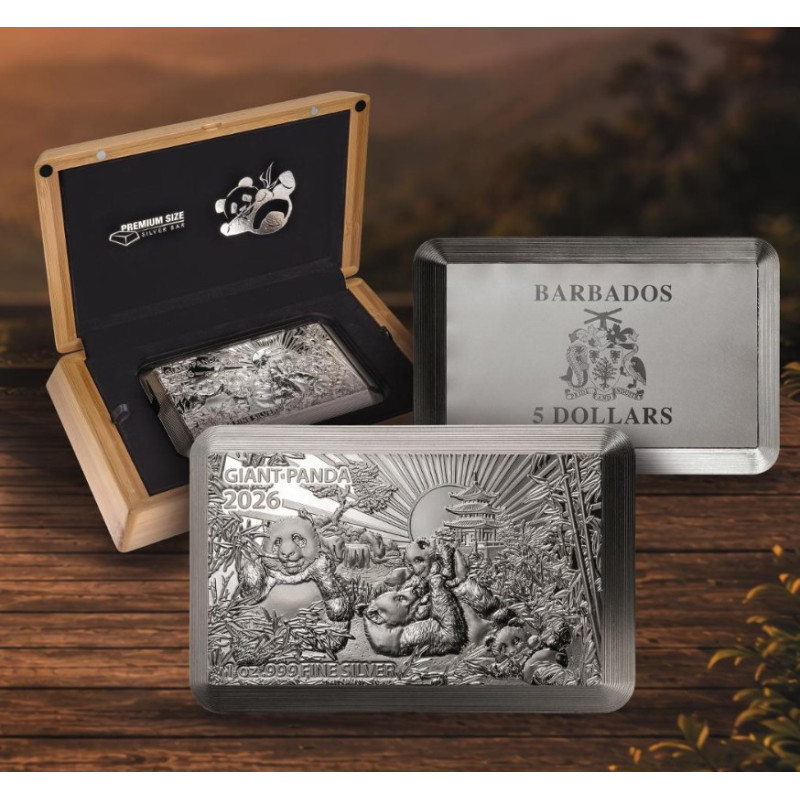
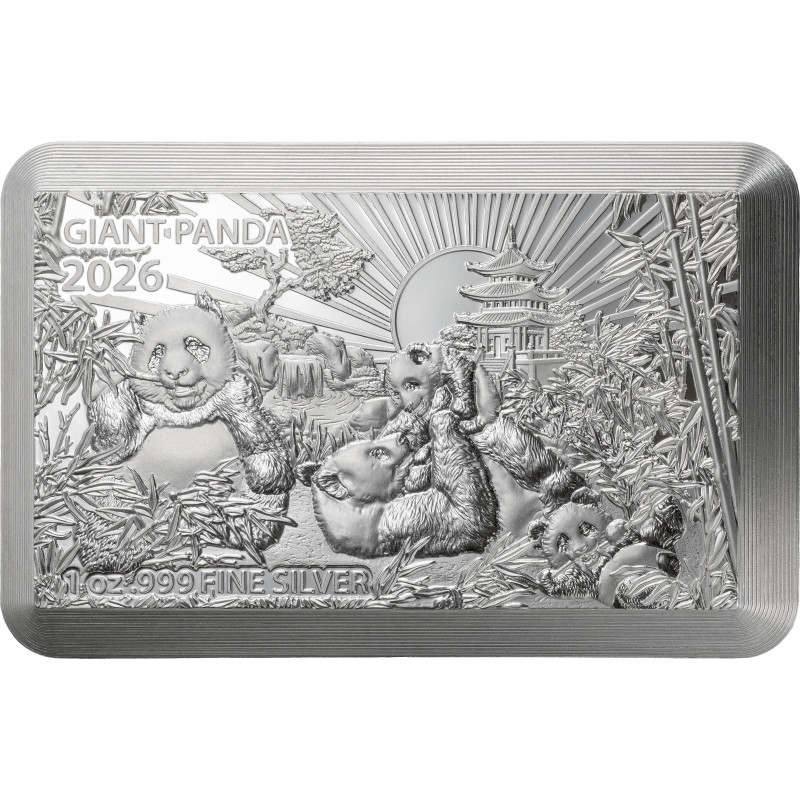
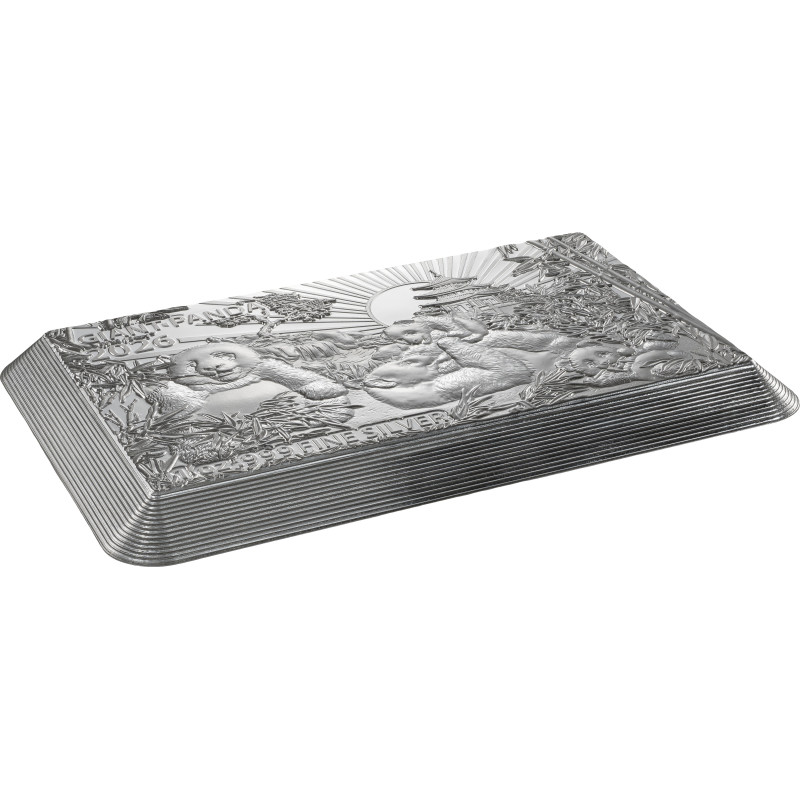
Prooflike, for comparison
Panda Family – Premium Size Silver Bar
1 oz silver coin bar · Barbados 2026 · AllCollect
★ Limited to 2,026 pieces worldwide
How to Tell if a Coin Is a Proof
Most proof coins are easy to recognize once you have seen a few. Check:
- The fields: a true mirror where you can see your reflection, not just a shine.
- The contrast: a frosted or matte design on the mirror background (except on reverse proofs and selective proofs).
- The rims and details: sharp, square rims and fine details, thanks to multiple strikes.
- The packaging and certificate: most modern proofs come in a capsule and box, and the certificate of authenticity states the finish, mintage and issuer.
- The product data: a reputable seller lists the finish ("proof", "black proof", "prooflike") in the coin's key facts. If it isn't listed, ask.
Proof Coin Grades: PF70, Cameo and Ultra Cameo
Proof coins are graded on the same 1–70 Sheldon scale as other coins, with the prefix PF or PR instead of MS (mint state). According to NGC's guide to proof coins, the grade describes the condition, while "proof" describes the way the coin was struck. Two terms matter most for proofs:
- PF70 – a perfect proof with no post-production imperfections visible at 5× magnification.
- Cameo and Ultra Cameo (NGC) or CAM and DCAM (PCGS) – designations for the contrast between frosted devices and mirror fields. PCGS explains that Deep Cameo requires deep, even frosting on both sides.
The full 1–70 scale, the meaning of MS and PF and the pros and cons of slabbed coins are explained in our guide NGC Grading – What Do MS70 and PF70 Mean?.
Most modern collector coins are sold raw – in their original capsule and box – and the mint certificate is enough for most collectors. Some buyers prefer coins already certified and slabbed; you will find them in our NGC graded coins category.
How to Care for Proof Coins
A proof surface is the most delicate part of any coin. A fingerprint left on a mirror field can turn into a permanent spot. A few rules:
- Keep the coin in its original capsule. If you need to take it out, hold it by the edge and wear cotton or nitrile gloves.
- Never clean a proof coin. Even a soft cloth leaves hairlines on the mirror, and graders will notice them.
- Store coins in a dry place at a stable temperature. A sealed capsule does not remove air, so silver can still tone over time.
- Keep the box and certificate together with the coin – they are part of what makes a collector coin complete, and the box doubles as a display and presentation case.
Are Proof Coins Worth It?
A proof coin costs more than bullion of the same weight, because you pay for the extra work, the design and the limited mintage – not only for the metal. Whether that is worth it depends on what you value.
Collectors buy proofs for craftsmanship, for a theme they love, to complete a series or as a lasting gift for birthdays, anniversaries and other occasions.
We don't promise that any coin will rise in value. What we can say is that silver and gold, as precious metals, have historically held their value over the long term, and that dealers and collectors agree on what makes a collectible coin valuable: a limited mintage, a sought-after theme and perfect condition.
Buy the coins you enjoy looking at – that part of the value is guaranteed.
About Magikos Coins
Magikos Coins is a collector coin shop from Kraków, Poland. Since 2009 we have been selling limited-mintage silver and gold coins from mints around the world – most of them proof coins, from classic mirror proofs to black proof and shaped coins.
We are an authorized distributor of the Mint of Poland, Germania Mint, Power Coin, MDM, AllCollect and MINT XXI.
- Trusted seller: 100% positive feedback on eBay, Allegro and Catawiki, and an eBay feedback score of over 2,500 since 2009. Read our reviews on Trustpilot.
- Worldwide shipping: we ship worldwide, including the US, with Global Express and FedEx, and every parcel is carefully packed.
- Easy payment: pay in US dollars or euros with PayPal or a card. See all payment methods.
- Direct contact: questions about a coin go straight to us – by e-mail, WhatsApp, Facebook or Instagram.
Learn more about us.
FAQ: Proof Coins
What is a proof coin?
A proof coin is a coin struck specially for collectors, using polished dies and prepared blanks and at least two strikes. The result is a mirror-like background with a sharp, often frosted design. "Proof" describes how the coin was made, not its condition.
Is a proof coin better than an uncirculated coin?
A proof takes more work and is usually made in a smaller mintage, so it shows more detail and costs more. An uncirculated (BU) coin has a satiny finish and a lower premium. For collecting, most people prefer proof; for buying metal, bullion or BU is more efficient.
Can a proof coin be spent?
Most proof coins are legal tender with a face value, but they are non-circulating legal tender (NCLT): they are made to be collected, and their collector value is far above the face value.
Can you touch a proof coin?
Not with bare fingers. Skin oils can leave permanent marks on the mirror surface. Keep the coin in its capsule, and if you must take it out, hold it by the edge with gloves.
What does PF70 mean?
PF70 is the top grade on the 1–70 Sheldon scale for proof coins: a perfect coin with no imperfections visible at 5× magnification. PF69 is nearly perfect.
What is the difference between proof and prooflike?
A proof is made with a special process: polished dies, prepared blanks and multiple strikes. Prooflike describes a reflective, mirror-like surface made with fewer steps – in US grading, a business-strike coin with mirror fields.
Do proof coins increase in value?
There is no guarantee. Silver and gold have historically held their value as precious metals, and collectors look for limited mintages, popular themes and perfect condition – but the price of any single coin can go up or down.